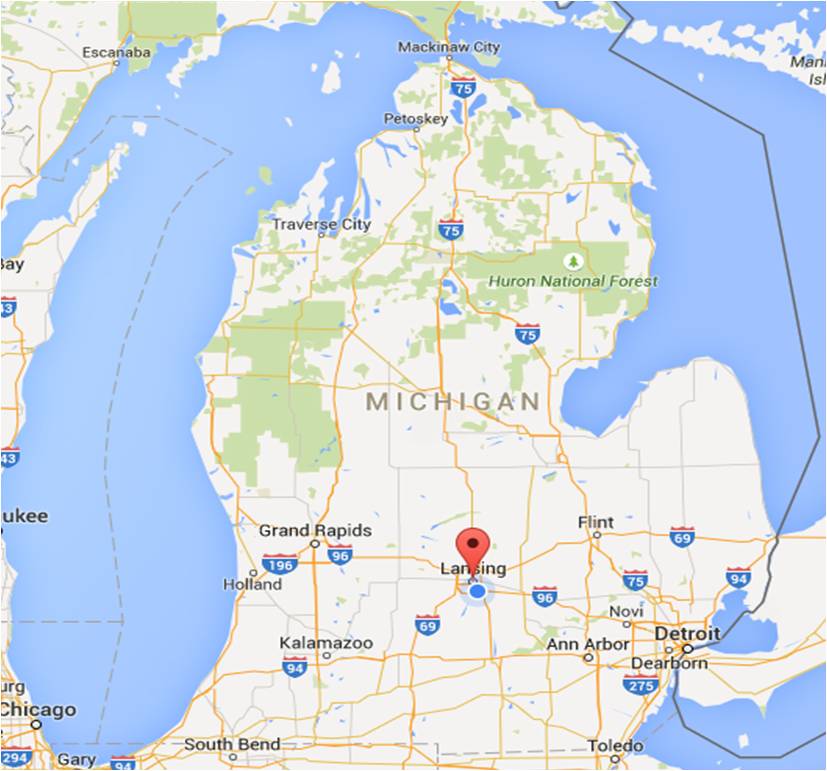
The Pacific Coast Highway – October 2014

PCH MapThe Pacific Coast Highway is not the fastest way to drive through Oregon and California, but it is certainly the most scenic route. As we drove south from the Tacoma area we were thrilled with the views of the Pacific coast, especially after we crossed the Oregon border. The rugged coastline was impressive! We had to pull over on several occasions just to stand and watch the waves battering the rocky coastline.DSCN3780We stayed at the Beverly Beach State Park in Oregon.DSCN3800We had a great campsite where we had only a short walk to the shore. We enjoyed walking to the beach to splash in the surf and just chill out.DSCN3796We checked out some of the local sights. Devil’s Punchbowl State Park a little north of us, and there were we saw some great rock formations and wild waves and surf action. There was a small winery right across the road from the state park. They had some wonderful Blackberry wine!DSCN3800iFrom there we visited the Yaquina Head Outstanding Natural Area and the Yaquina Head Lighthouse. This is the tallest lighthouse in Oregon.DSCN3800rOur next stop was the Redwoods National and State Parks near Crescent City, CA. This is a great example of state and federal government cooperation, integrating state and federally-owned land into one system of parks. As with a lot of state and federal parks, our trailer was too long for any of their campgrounds, so we stayed at the Redwoods RV Resort. This park was nice with sites integrated into a redwood forest with plenty of room and privacy.DSCN3840Our first stop in Crescent City was the park Visitor Center and we received some excellent advice on the best places to hike in the redwoods. DSCN3831As we hiked along the Boy Scout Tree Trail I was awed by the size of the trees, it was just one huge tree after another. We saw redwoods growing out of other fallen redwoods! Another hike was in Stout Grove, where we were in a more mature forest with less undergrowth – a big change from the Boy Scout Tree Trail.DSCN3837The next day we toured the Battery Point Lighthouse. This is a privately-owned, but operational “aid to navigation.” Volunteers stay overnight on a monthly basis to maintain the light, lead tours and run the gift shop. DSCN3848During the summer, they have additional volunteers stay at a nearby RV park to supplement the volunteer lighthouse keepers – we may look into that in the future. The lighthouse is well maintained and in the period furnishings of its earlier years. An interesting fact is that you can only get to the lighthouse at low tide, because the high tide turns the peninsula the lighthouse is on into an island!

After the lighthouse, we hiked back into a great beach. There were some impressive rock formations and some shelters that had been built from driftwood. We passed a hike-in campground that gave me ideas of backpacking here sometime in the future.

DSCN3862On our drive back to the campground, we had to stop and wait for a herd of elk to finish crossing the road – they were in no hurry!

DSCN3874The next morning we were on our way to the Napa Valley.

Posted in Fulltime RV, Michigan Traveler, National Parks, Oregon | Tagged , , , , , , | Leave a comment

Tacoma, WA – September 2014 – Part Three

Seattle MapWe returned to Camp Murray to an ideal campsite, right on the shore of American Lake. That evening Scott and I attended a program at the twins school about DOGS (Dads Of Great Students). This is a program to get dads to volunteer one day at a time for an entire school day – it looks like a great program. I was struck by the appearance of most of the dads in the audience, I think at least a half to two-thirds of the families in this school have parents that are stationed at Joint Base Lewis-McChord.

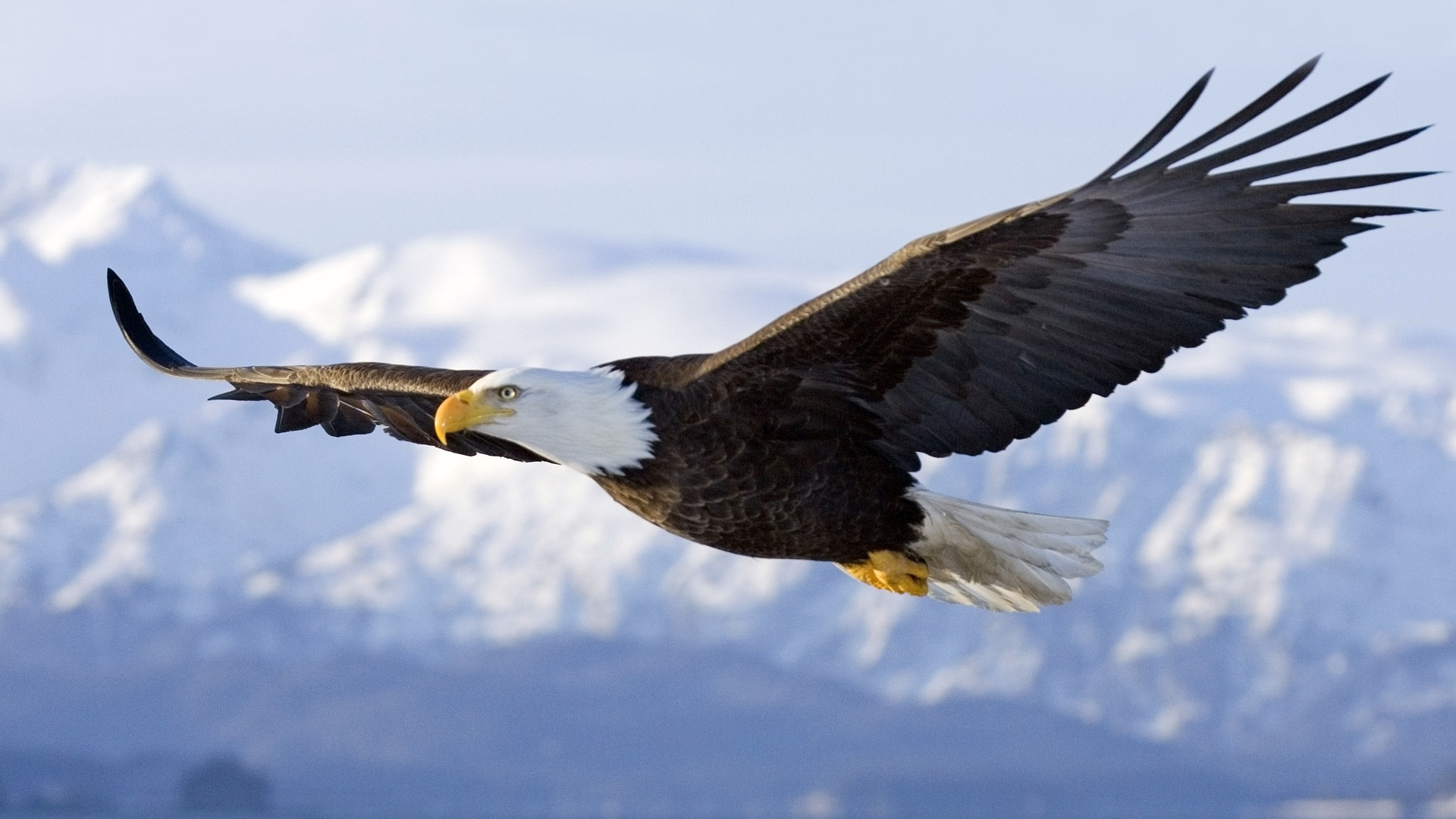
DSCN3626This weekend’s big thrill DSCN3632for the girls was jump rope. They had just gotten into it at school and seemed to want to do it every free minute. We all had a good time with it! We also watched two pairs of bald eagles flying near the campground. I have seen more bald DSCN3658eagles in the last four months than I have in my entire life!

The girls were active in competitive swimming in Salt Lake City and are continuing swimming in Washington. Pat and I would take them to practice and watch them swimming – just watching them was exhausting!

DSCN3670Our daughter, Elisabeth, flew DSCN3674out to join us and visit with Scott’s family. The day she flew in we headed straight to Seattle to see the sights. Our first stop was the Pike Place Market. We wandered through the market, had DSCN3688lunch on the waterfront, and checked out the original Starbucks. Later we took the ferry to Bainbridge Island. On the trip to the island we saw a fifth wheel trailer and it’s truck on a barge being ferried to points unknown (not something you see every day!). We enjoyed seeing the Seattle area from the water and the sunshine.

The next day, the three of us drove to Mount Rainer to the Sunrise Visitor Center. We had DSCN3700previously visited the DSCN3704Paradise Visitor Center on the south side of Mount Rainer, but Sunrise is on the north and it was like visiting a different mountain – the topography was totally different. We hiked a couple of the trails in the area and had a great view of Mount Rainer and the Emmons Glacier. It was a long drive, but we had beautiful weather and a great day.

DSCN3743We had all three granddaughters for the weekend, which made for a crowded trailer, but fun. We spent most of Saturday at the JBLM Fire Safety program. The girls climbed on fire engines, wore firefighter helmets, got their faces painted, and enjoyed the free chili dogs for lunch. DSCN3762It was fun just watching them. Later, Elisabeth and I took the twins to visit the Fort Lewis Museum. The museum had a quiz for the girls that led them around the exhibits – that made it fun for them. The exhibits are very well done, covering Fort Lewis history from the Lewis and Clark expedition through the present.

DSCN3775We celebrated Katrina’s birthday that evening. She chose a menu of her favorite foods and we had a wonderful time.

Monday was Columbus Day and Scott had the day off from work. The five of us (Scott, Sandra, Elisabeth, Pat and I) took advantage of the opportunity to have fun bowling. Later we met Scott, Sandra, and the girls for Dinner at the Black Angus Steakhouse before we drove Elisabeth to the airport for her flight home.

Wednesday morning we were on our way south. We were already looking forward to the next time we can see Scoot and his family again. Next stop, Beverly Beach State Park in Oregon.

Posted in Fulltime RV, Michigan Traveler, National Parks, Washington | Tagged , , , , , , , , | Leave a comment

Tacoma, WA – September 2014 – Part Two

DSCN3410aGrayland Beach State Park is right on the Pacific coast, just south of the small fishing town of Westport, WA. The campground is very nice and I would definitely call it “big rig friendly,” the roads are wide and the sites nice and big. There are plenty of trees around each site, giving you a sense of privacy. This privacy is something you don’t always see in commercial RV parks where they are trying to get as much revenue per square foot as they can. Unfortunately, most state and federal parks were built many years ago and were not designed for trailers as long as ours with multiple slide outs. Grayland Beach was a nice exception to that.

DSCN3411As we drove around the area, Westport reminded me of the fishing towns we had seen in Alaska. Near Westport’s Westhaven State Park is the Westport Light Station. This is the tallest lighthouse in the state of Washington. Nearby is a bike/walking trail that follows the DSCN3426shoreline to the tip of the peninsula. It was a nice bike ride and the scenery was great. At the end of the peninsula we saw several people surfing in the breaking waves – it looked way too cold to me! Of course, I checked out the geocaches in the area and located one on the beginning of a stone breakwater. I dropped off a travel bug I picked up in Fairbanks, AK – I wonder what its next stop will be.

DSCN3433The next day the weather turned bad and we spent most of the day hunkered down reading and relaxing. I took a short drive to visit the nearby Westport Winery and the Maritime Museum. Unfortunately the museum was closed, but I was able to view some of the outdoor displays.

DSCN3458Wednesday, we wandered the beach DSCN3471after high tide to see what the ocean had left behind. We walked in the surf, tried flying kites (the wind was far too strong for that!) and located a couple more geocaches above the high water mark. We came down again to watch the sunset. We thought the cloud cover would be too much, but the worst clouds cleared away and we were treated to our first ocean sunset in the Pacific Northwest.

The Grayland Beach area is quite nice and we hope to return again in the summer, possibly with Scott and family. But our time was up, and on Thursday, September 25th, we drove to the Cascade Peaks RV Park, near Packwood, WA to check out Mount Rainer.

When we arrived at Cascade RV Park we discovered there was a cross-country running meet going on. We took a break from setting up to watch the fun. It had been years since we watched our sons run cross-country and it was fun to watch the parents as they ran from one vantage point to another to watch their runners. Cross-country is one of the few sports where the spectators get exercise just watching!

DSCN3725On Saturday we got an early start to go into the Mount Rainer National Park. We started at the Longmire Museum. This is the site of the Longmire Medical Springs, founded by James Longmire in 1888 and theDSCN3485 original headquarters and lodging for the National Park, the rustic construction was impressive. Mount Rainer was the first National Park to allow automobiles into the park, and the first gasoline filling station is now a museum about transportation in the park.

DSCN3544We drove to the Jackson Memorial Visitor Center at Paradise. In the early days Martha, James Longmire’s daughter-in-law, looked up at Mount Rainer and the surrounding sub-alpine meadows and said, “Oh what a paradise!” and the name stuck. We hiked the Skyline Trail to Panorama Point. This is what is called the alpine zone as it is above the tree line. The view of Mount Rainer asDSCN3529 we climbed up the trail was impressive. Off to our left we could see the Nisqually Glacier. As we climbed higher we could look back and see the clouds in the valleys below us – what an amazing sight! At Panorama Point, we took a break for lunch and watched a group, led by a mountaineer guide, climbing the snow field to the east. There was a shortcut we could take across the snowfield, but it was steep and treacherous. We watched as one couple tried to cross it and almost slid to the bottom. Obviously we didn’t go that route!

DSCN3549As we were leaving the Visitor Center, clouds closed in around us and visibility to so poor I couldn’t see very far in front of the truck. However, as we reached the Valley Road the skies cleared and we had almost unlimited visibility. As we looked back toward the Visitor Center we saw it was still shrouded in clouds. It’s amazing how local the weather conditions are and how fast they can change. Our clearest view of Mount Rainer was on the Valley Road as we were leaving.

DSCN3551fThe next day was clear and sunny as we drove to the Ohanapecosh Visitor Center and Campground. The Visitor Center was closed for the season, but we were able to view a trail map and plan our hike to the Grove of the Patriarchs Trail. What a change from yesterday! At Paradise we were hiking aboveDSCN3551d the tree line. Today we were in the Sub-Alpine zone, surrounded by old growth, mature forest. The forest was so dense that we were in shadows on most of the trail. I couldn’t remember when I had been in a forest that dense. We took a break for lunch at the Silver Falls. It was nice to sit on the boulders, in the sun, overlooking the falls. While there we saw several butterflies and one decided my backpack was the ideal place to rest.

The Grove of the Patriarchs is a forest of ancient trees, some thousands of years old and over 200 feet tall. I was surprised how dense the forest floor, with a good mix of shade tolerant trees and plants.

DSCN3610Our next stop was Mount St. Helens. The Mount St. Helens area is divided into three areas, Westside, Eastside, and Southside. The road network is such that you can’t travel from one side to the other without driving around the perimeter. We stayed at a small campground in Kid Valley (which consists of a gas station, the RV park, and a restaurant) on the Westside. On our drive to the Mount St. Helens National Volcanic Monument, we stopped at the Hoffstadt Bluffs Visitor Center which is operated by Cowlitz County.DSCN3556 It was our first exposure to the aftermath of the 1980 eruption. From the viewing platform you could see where several thousand tons of hot, cement-like mud flowed through the low areas, sweeping away forests and homes. Further down the road is the Forest Learning Center, operated by Weyerhaeuser Lumber Company. Many of the displays relate to forestry and the logging industry, but also describe the eruption and the cleanup efforts.

DSCN3561aBecause our visit was late in the season the Science and Learning Center at Coldwater was not open, but we were able to visit the Johnston Ridge Observatory. The observatory is named after USGS geologist David Johnston, who had warned of the impending eruptionDSCN3570 in 1980, and died while in an observation location just below the volcano. This Visitor Center is well done with displays, Ranger-led talks, and films that describe, in great detail, the history and eruption of the volcano. We walked the Eruption Trail to see the volcano’s crater, the blast zone, and pumice plain. Living in the Midwest when the volcano erupted, we never had a true picture of the devastation caused by the eruption. Walking the ground where it all took place brought it to life for us.

DSCN3600On our way back to the campground, we stopped to hike the Hummocks Trail, about 4 1/2 miles from the Observatory and about 10 to 12 miles from the crater. We hiked over and around earth hummocks formed by huge boulders and other debris that was left by the flood of debris or just hurled by the explosion of the eruption. It gave me a feel for the explosive power created on May 18, 1980.

On our last night in the areaDSCN3621 we treated ourselves to dinner out at Patty’s Place, the 19 Mile Roadhouse. It’s the only restaurant in the nearby area, and is a delightful place to eat. If the weather had been nicer we might have sat on the deck that overlooked the North Fork of the Toutle River.

Friday, October 3rd we were on our way back to Camp Murray.

Posted in Fulltime RV, Michigan Traveler, National Parks, Washington | Tagged , , , , , , , , , | 2 Comments

Tacoma, WA – September 2014

Seattle MapAs soon as we returned to the “Lower 48” from our trip to Alaska we had to fly back to Michigan for doctor appointments and to visit family. We set up at the Camp Murray Beach Campground. This is a small campground operated by the Washington National Guard Association. DSCN3332It is right on the shore of American Lake, across I-5 from Joint Base Lewis-McChord (JBLM). Our campsite was right on the shore with a great view. The site came with unexpected benefits. One day we had some soldiers from either the 2nd Ranger Battalion or the 1st Special Forces Group (Abn) practice helocasting on American Lake right in front of us. Several of us wanted to go out and join the fun!

While we were in Alaska we got the word that our oldest son had gotten a new job at JBLM and would be moving to the area in early September. Consequently we decided we were going to stay in the area longer than we originally planned.

On September 6th we heard a knock on our trailer door and were created with hugs from our granddaughters – the fun had just begun. While Scott and Sandra unpacked we took care of the girls. Over the next week we had the girls stay with us several nights while Scott started the new job and they began to look for a new house. Kayak-1There was a small channel of water between the campground shore and a nearby island. This made a great place for swimming and kayaking. Katrina was already pretty good in a kayak and now Sierra and Clarissa had a chance to learn how to paddle. The small channel was the perfect place for them to practice their new skill.

DSCN3346One day I toured the small museum at Camp Murray. It was very interesting to discover there was no process to call the National Guard to federal service, so Washington National Guardsmen resigned and were immediately reformed as the 1st Washington Volunteers for employment in the Philippine Insurrection in 1900. The displays of the mobilization of the Guard for WWII brought back memories of my own mobilization for Desert Shield.

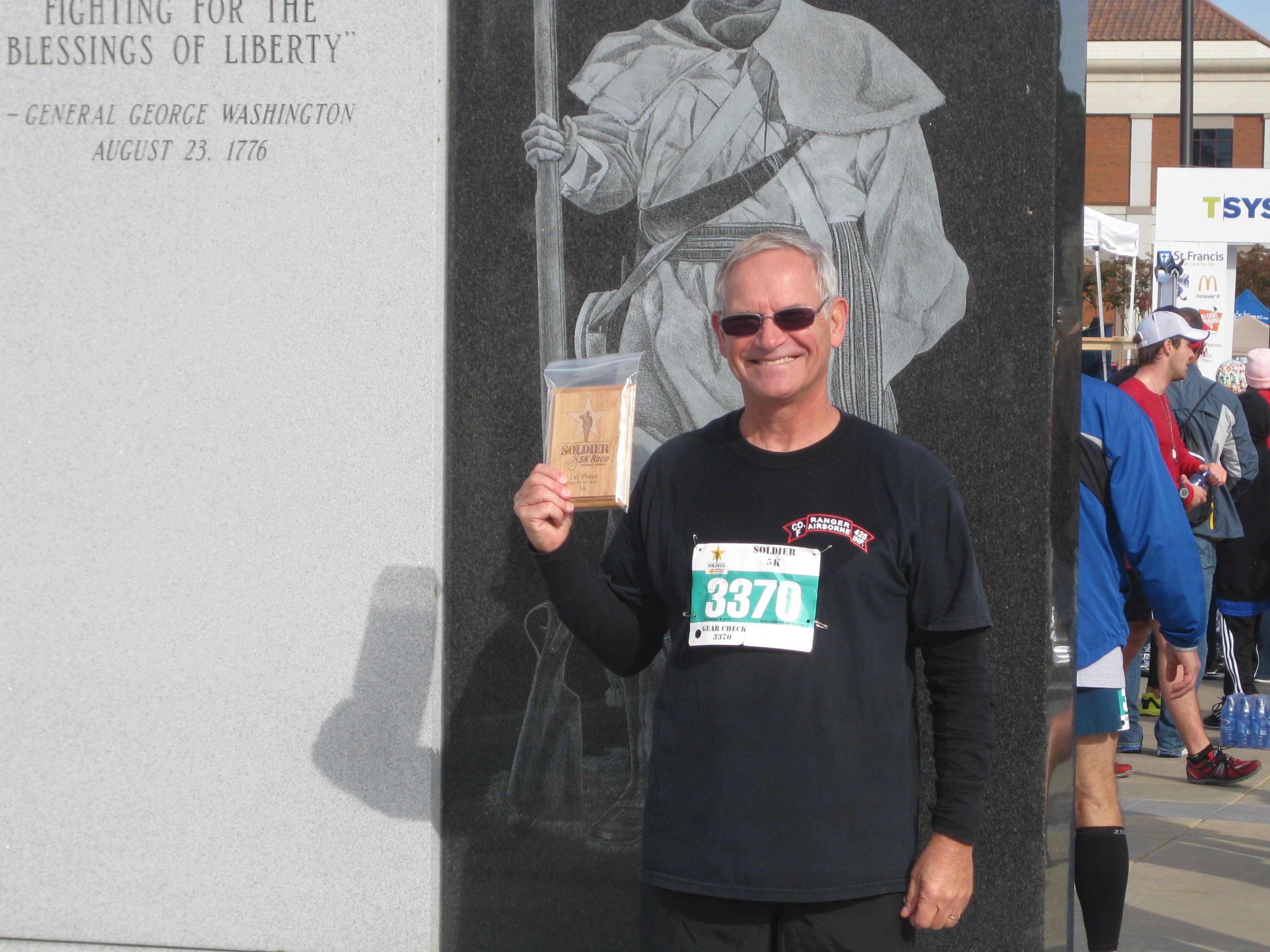
DSCN3368During the week, while the girls were in school, Pat and I practiced the fine art of doing nothing. After a very busy two months traveling through Western Canada and Alaska, DSCN3363it felt good to just kick back and take it easy. Of course I couldn’t take it too easy. I signed up for a 5K run at JBLM, the Salmon Run. Katrina and Sierra ran in the Kids Fun Run, the Chum Run. I felt good about my performance. I managed to finish second in my age group and 37th in a field of 179 runners.

DSCN3397We attended the Washington DSCN3401State Fair while we were there and we enjoyed a concert featuring Amy Grant and Michael W. Smith. We’ve listened to them in the past, but they were better in person.

DSCN3337We were able to have the girls stay with us in the trailer each weekend and we had a wonderful time swimming and kayaking. They helped Pat prepare meals and enjoyed themselves making airplanes from a book of paper airplanes.

Sunday, September 21st we packed up to travel around the area. Our first stop is Grayland Beach State Park, right on the coast of the Pacific Ocean.

Posted in Fulltime RV, Michigan Traveler, Military RV Parks, National Guard, Washington | Tagged , , , , , , | 2 Comments

Alaska Journal – 2014, Chapter Six (The Final Chapter)

Thursday, 8/7/14

Monday through Wednesday have been primarily travel days. We arrived at our new location by early to mid-afternoon each day and have cleaned and made small repairs, many of us are looking forward to getting back to the Lower 48 to do some serious cleaning and maintenance. Tuesday night we gathered for a spaghetti dinner at the “Wolf It Down” restaurant in Watkins Lake and a game of Bingo. We used decks of playing cards instead of normal Bingo equipment and it was a lot of fun!

DSCN3255

We arrived this afternoon in Hyder, AK at the Camp Run-A-Muck RV Park (Who names these places?!). This is the rain forest area of Alaska and it is raining. We have been cocoons through the afternoon, but hope to get to a glacier and see some bears near the Fish Creek Bridge. On the drive to Hyder Pat and I spotted a black bear crossing the road in front of us. We had to stop because we couldn’t get past it. Then we watched it head up the hill and join a couple of cubs, so it must have been the mother. As we drove on we saw another larger bear. This is the closest we have been to any bears this trip.

DSCN3292

Friday, 8/8/14

We were up at 5:45 to go to the Fish Creek Boardwalk to watch bears feeding on the salmon as they come upstream to spawn. There were plenty of people, plenty of mosquitoes, but no bears. We then joined three other couples for breakfast at the Glacier Inn. It may not have been very fancy but the omelet was great!

DSCN3259

Later that morning we drove to the Salmon Glacier. This is the fifth largest glacier in North America – it is huge! We drove down a gravel mining road and were able to look down on the toe of the glacier, then drove for several miles to get to the summit. When we got there we were in a cloud and couldn’t see a thing. However, there was a guy who literally camps there to sell books, postcards, and DVDs. He told us if we went another two kilometers down the road, we could see everything. Sure enough, we drove below the clouds and had a clear view of the glacier and could see how it splits into two glaciers. We could see small ponds at the bottom of the shorter one where it is melting.

DSCN3282DSCN3285

It has been raining since we got here, with some small breaks. The Alaskan rain forest is the greenest part of the entire state. It is lush and some of the trees here are enormous. You never think of this kind of climate when you think about Alaska.  After dinner we went back to the Fish Creek Boardwalk, but this time we were lucky.  We saw a bear walk down the road to the river.  He tried twice to catch a salmon in the water, but after two unsuccessful tries, he took the easy way out and found a half-eaten one on the shore and took it into the woods to eat.

DSCN3295

Saturday, 8/9/14

We are definitely on the home stretch now, with only two days left and all of it driving. We camped at an RV park in Smithers, BC and left the next morning for our final day.

Sunday 8/10/14

Everett, our tail gunner, celebrated our last day on the road by providing Tim Horton donuts with our morning coffee. That’s one thing I will miss after the caravan, having someone make coffee for me in the mornings we are driving. We pulled into Prince George, our final stop, and ran the truck and trailer through a truck wash. We thought we had to get at least the first layer of dirt off the rig – it has been through a lot this trip.

That night we met for our final dinner together. Vicki, our Trek Master, handed out folders she had made with updated pictures and a journal she had kept through the trip. It was a nice time as everyone reflected on what we valued most from the caravan, but sort of sad as we realized this was the last time we would be together. It was almost surprising how strong many of the relationships had formed in only fifty days.

DSCN3312

Monday, 8/11/14

Well, the caravan officially ended with dinner last night, but we still have to get back to the USA. We were looking at two long days and were on the road early in the morning. We could definitely tell we were back in civilization as the roads were in great shape. We drove the Cariboo Highway south to Spences Bridge. We made a stop for lunch at the 108 Mile Ranch, a heritage site. This is near the small town of 100 Mile. These places are whatever mileage they are from some spot, I never discovered what that spot was for the 108 Mile Ranch.

We spent the night at a small RV park and were treated to some great views, which included a small black bear that wandered by our campsite.

DSCN3318DSCN3317

Tuesday, 8/12/14

From Spences Bridge we drove the TransCanada Highway as it followed the Fraser River. What great scenery! The road was winding, and we went up and down hills, but we had the road to ourselves most of the morning. Shortly after lunch we crossed back into the USA – next stop Camp Murray Beach campground near Tacoma, WA. It has been a great trip and a wonderful experience.

Posted in Adventure Treks, Alaska, Alaska RV Caravan, Fulltime RV, Michigan Traveler | Tagged , , , , , , | Leave a comment

Alaska Journal – 2014, Chapter Five

Thursday, 7/24/14

We headed to Valdez, but it would take us a couple of days to get there. On our way from Palmer we stopped at an overlook for the Matanuska Glacier. You would think, “ya seen one glacier, ya seen ’em all,” but I continue to be amazed at these things. This one was huge, twenty-four miles long and four miles wade, descending twelve thousand feet from its summit to the bottom. As it retreated a section of the glacier separated from the main part and became dormant. It is slowly melting and has been overgrown with a layer of topsoil and vegetation.

DSCN2774DSCN2786

We spent the night in a small campground near Glennallen, AK. After dinner we gathered around a campfire for S’mores and singing. One of our new friends, Norman and I entertained the group with a mix of folk songs and country western. Aside from the man-eating mosquitoes, it was a fun night.

Friday, 7/25/14

Today we drove 135 miles to Valdez. Enroute we stopped at the Wrangell-St. Elias National Park and Preserve. This park covers 13.2 million acres. Most of the park is designated as wilderness and most visitors will see little of the park up close and personal. This doesn’t mean you can’t go there. There are campgrounds and lodges and opportunities for camping, hiking, paddling, fishing, and hunting. However, because of the wilderness designation, no motorized vehicles are allowed in most of the park. Native Alaskans are allowed to do subsistence hunting throughout the park.

DSCN2788We traveled over the Thompson Pass, along the route that the goldrush miners traveled to get to the Yukon gold territory. In 1953 Thompson Pass had a snow accumulation of 974 inches! There was a long (7.5 miles) of downgrade from here, thank goodness for the exhaust brake! On the way down we stopped to see where a river had eroded a cave in a glacier and the “Old Railroad Tunnel.” The tunnel is all that remains of a failed attempt by nine companies to make a short route from the coast to the gold fields.

DSCN2797

Saturday, 7/26/14

We gathered to take a boat tour in Port Valdez and Prince William Sound. Captain Fred of the LuLu Belle kept up a running commentary describing the history of Valdez, Prince William Sound, the 1964 earthquake and the Exxon Valdez oil spill. We didn’t see as much wildlife as we hoped, but Captain Fred did his best. He pulled his boat into cracks in the rock cliffs to let us observe birds and sea lions.

DSCN2857DSCN2815

DSCN2829DSCN2842

The biggest part of the tour was the Columbia Glacier. The floating ice from the glacier was all over the Sound as we approached the glacier. As we traveled up to the glacier, the temperature started to drop dramatically. The water was so thick with floating ice that the captain had to pick his way through it to get to the glacier. You could hear and feel the ice banging against the hull as we got closer.DSCN2917

DSCN2897The Columbia Glacier is huge. We were a quarter of a mile from it and the face of it was so tall that you could not see the mountains behind it. You could hear the glacier calving. Much of it seemed to be happening in the crevasses behind the face, we could hear it, but not see it – very disappointing.

Sunday, 7/27/14

We car pooled to the Valdez Museum where we saw displays about life in Valdez, from the Gold Rush days to the present. You could imagine the disappointment the Gold Rush stampeders must have felt when they took the “All American Route,” sailing from Seattle to Valdez. They thought they would land in a city that would be able to provide them with provisions and support for their journey to the Yukon. Instead they found a small town of a couple of hundred settlers, struggling to provide for themselves – no docks, ferry and wagon companies; nothing but snow, ice and a long trip ahead of them. It was interesting to see how the town grew over the years. I was particularly interested in the Exxon Valdez spill. I learned some facts that I was unaware of before. You know you are getting old when the things you lived through are displayed in a museum!

DSCN2925

From there we drove to the Museum Annex that is focused on the 1964 earthquake and tsunami. It destroyed the harbor area and much of the commercial area. After that the City Council determined it was unsafe to rebuild on the same land. Two local residents donated land for a new town site and three years later the new location of Valdez was complete. It is really quite a story.

Monday, 7/28/14

Early in our planning I asked the folks at Adventure Treks if there would be opportunities for kayaking or if we should leave the kayaks behind for this trip. They said there were kayaking tours to the glaciers and sent me a picture of kayakers near the Columbia Glacier. At that point I knew we had to try to do this.

After some research we discovered we could hitch a ride with a tour from Pangaea Adventures to the Shoup Glacier. We traveled to the bay below the glacier in a water taxi. The paddle across the lower bay was a bit challenging with the rising tide and a fresh wind coming off Prince William Sound. We paddled up a short channel into the upper bay and we on calm water with almost calm winds. There is a Kittiwake rookery on a small island in the upper bay. It was interesting to see how they would make their nests on small rock outcroppings. They were certainly a noisy bunch of birds!

DSCN2957DSCN2969

As we approached the glacier, we started paddling through chunks of ice floating in the bay and the air got cooler from the katabatic wind coming off the surface of the glacier. There was a huge cave in the face of the glacier formed by melting water flowing on the surface under the glacier. It was flowing so fast that I wasn’t able to paddle against it for more than a couple of minutes. We took a break for lunch with the tour group and chatted with them before we hiked up the side of the glacier. It didn’t look much like ice because it was thoroughly covered in wind-blown dirt, and looked more like a hill than a mountain of ice.

DSCN2973DSCN2980DSCN3005

Back in the water we paddled around the face of the glacier, getting close enough so we could reach out from our kayaks and touch it. This was everything that I hoped it would be. We paddled back with the outgoing tide to the lower bay and we picked up by our water taxi for the trip back.

DSCN3023

Tuesday, 7/29/14

We were on our way to Tok. On our way through the Thompson Pass we were able to see Mount Wrangell, with its peak above the clouds. Mount Wrangell is the centerpiece of the Wrangell-St. Elias National Park and Preserve. If we make another trip to Alaska, this is a park where I would want to spend some time.

DSCN3045

It was an easy drive, although we arrived in a drizzling rain, I think it always rains in Tok. When we got to Tok, we heard that one of our group from Iowa had broke a leaf spring shortly after leaving Valdez. Everett, our tail gunner, had helped them to connect with a repair shop in Glennallen and the thought they would be able to catch up with us in Chicken or Whitehorse. Between Denali and Talkeetna, another one of our group had broken a spring and wrecked his axle. He got it fixed enough that he was able to get to Anchorage where he would get a more permanent repair made. This started getting me worried about having a major problem with our rig.

I took a walk to the Visitor Center to watch a video on the building of the Alaska Highway in 1942. I had seen part of the video before, but this was an opportunity to see the entire thing. It was interesting to hear about how unprepared the Army was to build a 1,500 mile road in arctic conditions. I could understand how they hadn’t planned on dealing with the muskeg (a peak moss type layer of decomposing vegetation that was like a sponge) and permafrost (frozen ground that never thaws, until you scrape away the insulating vegetation above it causing it to thaw into a soupy mud). What really surprised me was that many of the soldiers were not trained on the heavy equipment (bulldozers, scrapers, and cranes) that they had to operate and maintain. However, I was very impressed with the flexibility and ingenuity they showed in dealing with these problems, and the logistical effort it took to support six battalions of engineers with food, fuel, and everything else they needed.

The Alaska Highway, 1,422 miles of pioneer road, completed in eight months – quite an accomplishment!

Wednesday, 7/30/14

A short drive today, only 79 miles to Chicken. To say Chicken is a small town is an understatement. It is a small mining town that has a winter population of three people, maybe forty in the summer. It has no government, no police or fire department. “Downtown” Chicken consists of three storefronts; a mercantile, a saloon/liquor store , and a cafe – that’s it! Chicken was named by a bunch of miners who wanted to name it after a bird they saw a lot, but they didn’t know how to spell Ptarmigan, so they decided to just call it Chicken.

DSCN3078

DSCN3053We stayed at the Chicken Gold Camp. Here were able to take a tour of the Pedro Creek gold dredge and pan for gold. At first I thought, “we did all of this in Fairbanks, why did we come here?” The tour of the dredge (which was almost a double to the Dredge #8 in Fairbanks) was more instructive than Dredge 8. In Fairbanks, they gave us a bag of gravel and we panned that for the gold dust, but if you wanted more, the price was $10. Here we shoveled our own gravel out of a pile and panned it. We could do this all day if we wanted. This is known as “recreational gold mining.” Some people will stay here for weeks, panning for gold. It’s like paying for an admission to a theme park or green fees for playing golf. I think we panned for a couple of hours over the course of the day. I thought it was a lot of fun as I enjoyed the challenge of trying to find gold in this pile of gravel, just like the Gold Rush miners.

DSCN3058

Thursday, 7/31/14.

We all got an early start. Some of our caravan decided they wanted to drive to Dawson City in the Yukon via the “Over the Top Road,” and the rest of us headed straight for Whitehorse. Either way it was going to be a long drive over some of the worst roads on the trip.

I was definitely taking it easy over this rough road. I was now paranoid about driving too fast over a pothole and breaking a spring or axle! However, we had no problems, had some great scenery. We arrived at the White River Campground, which was supposed to have a military vehicle collection. It was more like a military vehicle junkyard. Just a bunch of wreaks from the construction of the Alaska Highway that were abandoned when the highway was complete and dragged into this park – a bit disappointing. After dinner I was sitting by the campfire when a traveler from Germany stopped by to talk. It was interesting; between my poor German and his poor English we had an enjoyable conversation!

Friday, 8/1/14

After Chicken we were essentially headed back to the “Lower 48.” Today we traveled to Whitehorse. A pretty long drive as it is 250 miles to the RV park, and plenty of construction zones to go through. People up here joke about the weather like we do in Michigan, such as “we have four seasons too, fall, winter, spring, and construction.” It wasn’t too bad. We didn’t plan to be the first ones on the road, but we beat everyone else out of the campground and were the first into Pioneer RV Park in Whitehorse. This was the place where we were packed in like sardines, and we wanted to get there while there was room to maneuver. Later that day, the brothers from Iowa rolled in, having their repairs completed. The rigs that went through Dawson showed up the next day.

Saturday, 8/2/14

In the morning we visited the Beringia Interpretive Centre. This center describes the land bridge that existed between Russia and Alaska during the Ice Age. We have heard people talk about the migration over the ice bridge between Russia and Alaska, but that bridge is a myth. The glaciers and ice fields consumed so much of the precipitation in ice and snow that the ocean levels dropped creating a huge land mass between Russia and Alaska. Large mammals such as the woolly mammoth and scimitar cats, as well as native tribes migrated across this land mass. Some continued through a break in the ice fields in western Canada into the Continental United States. The description was very fascinating and we were able to use some of the tools, like the atlatl used to throw spears.

DSCN3090DSCN3093

After the Beringia Centre, I went on my own to the Transportation Museum. Here there were many displays of transportation in frontier Yukon. Of course, it covered the Gold Rush and the Alaska Highway. What appealed to me were the displays about the bush pilots, the aircraft they flew, and the risks they took. After this I wandered through Whitehorse doing some geocaching – my first geocaching in Canada.

Sunday, 8/3/14

Skagway, AK, was the beginning of the trail to the gold fields for miners coming by sea from the lower 48. With a combination of tour bus and narrow gauge train, we traveled over the White Pass. Along the route we stopped at Carcross for coffee and cinnamon buns on the way down and ice cream on the way back up.

DSCN3124DSCN3133

The White Pass & Yukon Railway was the best way to get into the interior until the Yukon Highway was completed in 1979. As we traveled to Skagway we were given a narration about some of the sights we would pass. We were able to stand on the railcar platforms and get some excellent pictures.DSCN3184

Skagway was a lawless, gold rush town for years. “Soapy” Smith and his gang pretty much ran the place until local citizens finally had enough. “Soapy” Smith was killed in a shoot out and peace slowly became the norm as more and more families followed the gold rush “stampeders,” and settled in town. Physically the town has not changed too much over the years, although tourism is now the leading industry.

DSCN3196

After we returned to Whitehorse someone suggested we should get pizza for dinner.  Before you knew it, almost everyone said that was a great idea, and 27 of us showed up in this small pizza place.  The owner said he hadn’t had that much business in one night in a month!

DSCN3110

Monday, 8/4/14

This morning really started the trip back home. From this point forward we have mostly travel days and only a few organized events.

Posted in Adventure Treks, Alaska, Canada, Fulltime RV, Michigan Traveler, U.S. Army Corps of Engineers | Tagged , , , , , , , , , , , , , , | Leave a comment

Alaska Journal – 2014, Chapter Four

Tuesday, 7/15/14

Today we traveled to Homer. Our first stop along the route was the Potter Point State Game Refuge. This site has an extensive boardwalk for viewing nesting waterfowl. The best thing about this stop was that we had an unobscured view of Mount McKinley. Even though it was 200 miles away, we finally had a chance to see it. Surprisingly most visitors don’t have the opportunity to see it because it is often obscured by clouds.

DSCN2178

We also stopped at the Begich-Boggs Visitor Center at the Portage Glacier. The glacier must have shed some of its ice because there were several ice flows in the lake by the Visitor Center.DSCN2200

The closer we got to Homer, the more we traveled along the coastline of the Cook Inlet. We stopped at the Mount Iliamna Viewpoint. This was interesting as we had to walk across a meadow to get to the cliff to look across the Inlet. Homer sits at the mainland end of the Aleutian chain. The Aleutians are part of the Pacific Ring of Fire, chains of volcanoes that circle the Pacific. Active volcanoes Mount Redoubt, Mount Douglas, Mount Augustine, and Mount Iliamna are part of that chain in the Homer area.

Wednesday, 7/16/14

This was our “free day” with no scheduled activities. We thought we would do some kayaking, but had not been able to do much research ahead of time. We drove out onto the “Spit” and checked with Mako Water Taxi. They said they could taxi us across Kachemak Bay to the Kachemak Bay State Park, if we could leave right away. We jumped at the opportunity and loaded our kayaks aboard. Kachemak Bay State Park is only accessible by water and is too far and too hazardous to paddle across the busy Kachemak Bay. We landed at Kayak Beach at the mouth of Tutka Bay.

DSCN2221

We unloaded our kayaks and, after a short hike up the Grace Ridge Trail to check out the view, we started to paddle up the bay. The tide was coming in and it was like paddling on a river with the wind and tidal current behind us. The scenery was amazing, with cliffs and mountains high above us. Once again we were blessed with glorious weather, sunny skies and light winds. We pulled our kayaks up a beach for lunch and enjoyed the sunny day. The tide rises as much as 28 feet in the bay and it wasn’t long before we saw our nice beach disappearing, so we interrupted our lunch and were back in the water.

DSCN2251DSCN2238

At one point we saw some bald eagles perched in the trees above us. We paddled close than I thought we would ever get and the eagles didn’t seem to be bothered by us at all. We thought we saw some whales blowing on the far side of the bay, but didn’t see any other indication of whales, so it was probably fish jumping.

DSCN2293

About 5:00 we arrived at the other trailhead for the Grace Ridge Trail, where we had made arrangements for the water taxi to pick us up. There were a trio of ladies camping in a State Park Yurt doing landscape painting and we had a nice chat with them. A couple of hikers were there and glad to hear we had a water taxi coming, because they had not arranged for one. The taxi arrived about 6:30 and we made a quick return to the small boat harbor on the “Spit.” Although we didn’t see any sea otters in Tutka Bay, we did see one playing in the harbor.DSCN2263

DSCN2311

Thursday, 7/17/14

Our group had a bus tour of Homer. Our first stop was the art gallery of Norman Lowell. This artist came to Alaska as a homesteader, then began painting. He is widely recognized as a leading landscape artist. We were able to see his original homestead cabin and their vegetable garden. His lifestyle has definitely improved! His gallery was amazing, some of the landscapes just took my breath away. There were also works from other artists in the area. I was particularly impressed by the carvings from moose antlers.DSCN2324DSCN2330

We also had a walking tour of the harbor. There was everything from commercial fishing vessels to small water taxis. We saw the cribs that are used to raise boats out of the water with the rising tide so work can be done on the bottom of the boat at low tide. The entire dock system floats so it can go up and down with the tide.DSCN2341

Friday, 7/18/14

Another travel day, on our way to Seward. We did some backtracking and took advantage of it to visit some stops that we bypassed on our way to Homer. In Seward we stayed at a city-owned RV park that was built after the 1964 earthquake and tsunami that destroyed the entire waterfront. The RV park is right on the water, but can be easily evacuated whereas permanent buildings would be destroyed. The view is amazing!

Saturday, 7/19/14

Our first full day in Seward we took an all day cruise through Resurrection Bay. DSCN2361

Once again we lucked out on the weather. The forecast was for showers turning into steady rain, but we ended up with sunny skies and temperatures in the high 60s. As we traveled to the mouth of the bay, the captain began an ongoing commentary on the history and the environment of Seward and Resurrection Bay. He kept a watch for wildlife as we traveled, and we were able to see Bald Eagles, mountain goats, sea otters, harbor seals, porpoise, humpback and Orca whales. When he spotted one of these he would carefully steer the ship as close as possible so we could get close looks and great pictures.DSCN2577DSCN2380DSCN2408
As we passed Callisto Head we saw Bear Glacier and the small bay created by the terminal moraine (the piled up earth left at the end of the glacier as it started to retreat).

DSCN2383

Past Callisto Head we were in the Gulf of Alaska and the sea became pretty rough. It wasn’t long before we rounded Aialik Cape and headed up the Holgate Arm to Aialik Glacier. Aialik Glacier is a tidewater glacier, meaning that the toe of the glacier is in the water, not dry land.

DSCN2419

Here the waves and currents erode the glacier. This erosion and the softening and melting of the glacier where it rests on the rock base causes the glacier to “calve.” Calving is when slabs of the glacier break off and slide into the water. On this trip we were entertained as Aialik Glacier calved at least half a dozen times, sometimes in a very spectacular fashion. As we floated a quarter mile from the face of the glacier, we could feel the katabatic wind rolling the cold air from the surface of the glacier down to displace the warm air in front of it, and the chunks of ice floating in the water clanging against the hull of our ship. It was like nothing I had even experienced before!DSCN2458

From Aialik Glacier we headed back out towards the Gulf of Alaska to the Chiswell Islands. These islands are a nesting ground for all kinds of birds. We saw seagulls, bald eagles, cormorants, and puffins. We also saw a rookery for sea lions. What a pleasure to see so much and have the captain’s commentary to explain what we were observing.

DSCN2547DSCN2532

We turned back toward Resurrection Bay and landed at Fox Island for a buffet dinner at the National Park Service day lodge. Another excellent meal and, by far, the best salmon I have ever eaten! Some people complained there wasn’t any desert, but after we boarded our ship the captain announced that the crew would be serving fresh chocolate chip cookies, still warm from the oven – the complaints about desert quickly stopped.

DSCN2593Our last point on the cruise was to circle Fox Island and see how the 1964 earthquake had dropped the spit created by the glacier’s terminal moraine. The flood of salt water from the tsunami following the earthquake had killed many evergreen trees, creating a “ghost forest.” All-in-all it was just a great trip and a great day!

Sunday, 7/20/14

Our big event of the day was a trip to the toe of the Exit Glacier. Our group made a short hike to the toe of the glacier, were able to see how the glacier had receded over the years, and what factors cause the glacier to advance or retreat.DSCN2610DSCN2612


Six of us took the opportunity to stay when the group left and continue up the 4.1 mile trail to the top of the glacier and the Harding Icefield. This was no easy hike! We started some serious uphill climbing right away. Part way up two of our party decided this was more than they were capable of doing and turned back. The remaining four of us continued. We stopped for lunch just above the tree line and took shelter from the wind behind a low mound for a trail lunch. As we continued our climb, we were more exposed to the wind and the steepness of the climb increased.DSCN2622DSCN2627


We knew we were getting closer to the ice field as we started crossing patches of ice and snow. We paused at an emergency hut just short of the top. The views were already amazing and I know my pictures will do a poor job of describing what we saw. When we finished the last .3 miles to the top we were rewarded with the most awesome sight I have ever seen. I felt like I was on the top of the world. The icefield seemed to go on forever. The Arctic katabatic wind coming off the surface of the glacier was a huge change from the warm air we left 3,000 feet below us. The trip down went quicker than the climb up but was no less demanding as we had to climb down over the rocks we had scrambled over on our way up.DSCN2670DSCN2661DSCN2655

Monday, 7/21/14

After the exertions of the day before, we took it easy. We walked into town to see the Alaska Sea Life Center. This aquarium was very well done. We were able to view fish, aquatic birds, and other sea life from above and below with huge underwater viewing windows. It was also interesting to learn about how sea life is often rescued, rehabilitated and returned to the wild. Later we wandered through the town of Seward, imagining what it must be like to live here year round.

DSCN2711

That evening the four of us that made the climb to the top of the Exit Glacier had dinner at a harbor side restaurant to celebrate. Both the food and the views were delicious.

Tuesday, 7/22/14

Another travel day and we headed back through Anchorage to the town of Palmer. We stopped at Elmendorf AFB for groceries and fuel enroute. After setting up we were treated to a meal prepared by the caravan staff. A great way to end a day of travel.

Wednesday, 7/23/14

An easy day today. We took a trip to a Musk Ox Farm. This was really unique in that Musk Ox only exist in Norway, Greenland, and Alaska. What made this farm special is that it was created from an original homestead by John Teal. He developed the farm to domesticate these wild animals and create a cash business for outlaying indigenous tribes. At the farm they raise the Musk Ox and comb the wool from the animals coat. Musk Ox qiviut (pronounced KIV-ee- oot) is thicker, softer, more warm and durable than wool. They then ship the qiviut to native tribes who then weave hats and scarves, and send the finished product back to the farm for sale. The tribes are paid as soon as they return the finished product and this gives them a cash revenue they can use to purchase goods and services they can’t provide for themselves. It was a fascinating visit and a great story of a selfless man with a vision.

DSCN2745

We are having a wonderful time in America’s Last Frontier!DSCN2306

Posted in Adventure Treks, Alaska, Alaska RV Caravan, Fulltime RV, Michigan Traveler, National Parks | Tagged , , , , , , , , , , | Leave a comment

Alaska Journal – 2014, Chapter Three

Thursday, 7/3/14

This was our free day in the Fairbanks area. We traveled to the Large Animal Research Station, but found it closed for the holiday weekend. However, we were able to see some of the animals in the distance. This was my first view of Muskox and caribou. Next stop was the Fountainhead Antique Auto Museum. I enjoyed this more than I expected. All but four of the automobiles are operational and are driven in parades and for other special events. For me, the highlight of the museum was the audioplayers that everyone gets with their admission. On this device we were able to listen to a curator describe the history of each car, its features, and how it was restored. There was even a car an Alaskan built to impress a potential girl friend! She loved the car, but still wasn’t interested in him.

DSCN1690

We visited the Fairbanks Visitor Center and biked along the Chena River. You could tell they had a lot of rain recently as the river was flowing over the bike path in spots.

DSCN1692

After doing some research we decided we could kayak on the Chena River. The next morning we paddled from a bridge upstream from the campground to a spot in Fort Wainwright. Fort Wainwright was just downstream from the campground and there was a nice spot where the river had overflowed its bank, giving us the perfect spot to take our kayaks out of the river. It was interesting to paddle past backyards in one stretch and feel like you were in the middle of the wilderness in the next.

DSCN1697

Later that afternoon our group took a bus to the University of Alaska Museum of the North. I found the Museum particularly interesting as it displayed Alaska by region, highlighting significant events and resources of each region. Every place we stop we learn more about the “last frontier.”

DSCN1717

The big event of the day was the Alaska Pioneer Park Salmon Bake Dinner. This was a huge outdoor buffet and we all enjoyed it. There was grilled salmon, Alaskan cod, roast beef, crab legs, and more. Some of the best salmon and cod I have had in a long time!

DSCN1740DSCN1741

Pioneer Park is a 44-acre park in downtown Fairbanks and is the site of the Salmon Bank, Air Museum, Pioneer Museum, Tanana Valley Railroad Museum, and Palace Theater. At the Railroad Museum I was shown Engine #1, the original engine used on the Tanana Valley Railroad. The men that have restored it have done an outstanding job!

DSCN1749

We attended the “Golden Heart Review” at the Palace Theater. As opposed to the “Frantic Follies” that we attended in Whitehorse, this show focused on Alaskan history, primarily in the Fairbanks area. It was an excellent performance with plenty of laughs.

DSCN1770

Saturday, 7/5/14

The big event today was a trip on the Riverboat Discovery. This was the best thing we did in the Fairbanks area. At the beginning of the trip, we were treated to watching the takeoff and landing of a float plane and listened as the pilot described, over the radio, his takeoff and landing, and how bush pilots supported Alaskans living in the back country.

DSCN1776

We had a running commentary during the entire trip. The commentator gave us history on some of the homes along the river, and the captain described how the ship was driven by the paddlewheel and how they navigated the river that had sand bars that appeared and disappeared overnight. A special treat was the free blueberry donuts and coffee offered to all onboard. This was a tradition that has lasted since the first river cruise.

Along the route we were treated to speakers from the shore. Our first stop was Susan Butcher’s cabin and dog kennel. Susan Butcher was a four-time winner of the Iditarod and started breeding and raising sled dogs. Her family continues this tradition and her daughter described the breeding and training of the dogs. We saw a team hitched to a four wheeled and raced around a short route in front of the boat. It was amazing to see the strength of these dogs and how much they actually enjoyed pulling the “sled.”

DSCN1790

Our next stop was an Athabascan Fish Camp. A native Athabascan described the salmon wheel and how it was used to harvest the salmon.   She also demonstrated how salmon were filleted and smoked.

DSCN1808

We then stopped at a rebuilt Athabascan Village and were given demonstrations of how they lived and hunted; types of homes and shelters; and how they prepared and used animal hide for clothing as well as other uses. Some of the staff of Susan Butcher’s kennel were there with the dogs to give us more information on how dogs are breed and trained for dog sledding. I can’t say enough good things about this tour, it was much more than a boat ride!

DSCN1799DSCN1831

On the way back from the river trip, we stopped at the Alaska Wooden Bowl Company, where they make wooden bowls from native trees and berls. It was interesting to see how they use a lathe with a curved blade to cut concentric bowls, sand, and apply a finish.

DSCN1851

Sunday, 7/6/14

Gold Dredge 8 is a restored gold dredge. They used to use high pressure water to blow away the top levels of soil to expose the lower layers that held the gold. With core drilling they mapped out where veins of gold lay underground. They would then dig a pit, flood it, and put the dredging barge in the resulting pond. The dredge would scoop up soil like a chain saw cuts into wood, bringing the soil to the surface and dump it into the dredge where it was sifted through screens to eliminate the large rocks. The remaining soil would be washed (or panned) to bring the lighter soil to the surface and wash it away, leaving the heavier gold behind. It was a big, impressive piece of machinery.

DSCN1869

We had a chance to pan for gold. We were given a small bag of soil and taught how to use a pan to wash away the lighter soils. Pat ended up with nine grams of gold and I got seven – women are always better gold diggers! When Dredge 8 was taken out of service, it wasn’t because they ran out of gold, but because they ran out of profit. Gold prices had been set at a fixed level by the government, but production and transportation costs continued to rise. Eventually it was no longer profitable to continue and it was closed down. Now with safety and environmental restrictions, this form of mining is no longer feasible.

DSCN1864

The Alaska Pipeline was out next stop. The ingenuity that went into the design was amazing. Much of the pipeline is above ground to avoid thawing the permafrost and the vertical supports are engineered to protect the pipeline from even an 8.5 earthquake! At times the pipeline runs underground to allow for animal migration. Periodically they run “pigs” through the pipeline to inspect and clean the sides and prevent a build up of wax and other contaminants. One of our group was an engineer who had worked on the pipeline and his additional knowledge was a plus for the trip.

DSCN1892DSCN1855

Our campground was located in North Pole, AK. Of course we had to go to the Santa Claus House. It was a typical Christmas shop, although a nice one. You could get your picture taken with Santa and they had reindeer outside. We did buy a few ornaments while we were there.

DSCN1904

Monday, 7/7/14

We had a relatively easy drive, although it rained for most of it. We made a quick stop in Nenana. This is the city where the annual Ice Classic, the oldest tradition in Alaska, is held. People have been guessing when the ice will break up on the Tanana River since the early 1900’s. This time is determined by a huge black and white tripod. When the breaking ice tips the tripod an attached line to the Ice Classic office stops a clock and the winning time is recorded.

DSCN1910

We arrived at Denali in mid-afternoon, wandered around the shops that lined the main road, and made arrangements to go white water rafting on Wednesday. That night we went to dinner at Cabin Nite. Cabin Nite replicates an Alaskan roadhouse experience, with a family style dinner. Following dinner was a show that focused on Denali history. Even though this was the third show we had seen as a group it was unique and we all had a great time.

DSCN1929

Tuesday, 7/8/14

DSCN2045We took the bus tour through Denali National Park. It is not advertised as a narrated tour, but our driver did a good job of describing the park, its history, and the wildlife as we drove the 66 miles from the Wilderness Access Center to the Eielson Visitor Center. We saw Dall sheep on the rocky cliffs above the tree line, grizzly bear, moose, and caribou in the valleys. We even saw a red fox running down the road right next to our bus.

DSCN2001

We did some hiking near the Eielson Visitor Center and caught a different bus back. DSCN1992DSCN1985

On our way back, we stopped at the Park Sled Dog Kennel to see a demonstration of a dog sled team and how they are used by Rangers in the park. All day I was in awe of just how huge Denali is. The park seemed to have a raw power projected from the mountains and glaciers. We spend the entire day in the park and we saw a mere thimble full of the six million acres of wilderness.

Wednesday, 7/9/14

We went rafting on the Nenana River with eight other members of our caravan. This is a glacier fed river, 48 hours earlier the water was ice! Everyone wore dry suits, the kind of suit divers wear for SCUBA diving under the ice. The area had more than normal rainfall in the past weeks and the river was high and fast. It was a great ride and I took more than one wave right in the face – great fun! An hour and a half later we pulled into the take out point, way too soon!

DSC05204DSC05220

After we changed clothes, Pat and I headed back into the park. We went to the visitor center. The displays were some of the best I have seen, showing the history of the park and the wildlife that inhabit it. From the visitor center we hiked some of the local trails. One of them led to a lookout about 1,700 feet above the valley floor. We made it about 1/3 of the way to the top, enjoyed the view and headed back to the visitor center.

DSCN2041

We have been so fortunate with the weather. The forecast was for cloudy skies with a 60% chance of thunderstorms. The days started out cool, but were sunny with temperatures in the high 60’s the rest of the day.
Thursday, 7/10/14

Another travel day, but we had an easy day in front of us and only one stop for sightseeing, so we were in no rush to get going. The weather was pretty bad, rainy and cold. We stopped at the Veterans Memorial and Medal of Honor Loop. This memorial honors veterans of all services, traces the history of the military in Alaska, and describes the actions of those brave Alaskans who were awarded the Medal of Honor. It was a very well done and touching memorial.

DSCN2053

That afternoon we drove into Talkeetna. This is a small village that essentially supports the climbing on Mt McKinley. We visited the local cemetery to see the memorial to those who died attempting to climb Mt. McKinley. The Talkeetna Historical Society Museum had some unique displays, including “artifacts” from the local school. I say “artifacts” because Pat and I recognized text books that we had used in elementary school – what does that say about our age?

DSCN2058

Other displays exhibited bush pilots and their exploits, one pilot would hunt wolves with rifles attached to his plane’s wings. At the Ranger Station we saw where climbers would check in, obtain their approvals and permits, and prepare for the for the climb. We saw a video of how climbers will take three to four weeks to travel the 14 mile trail to the summit – at least half of the climbers fail to reach the summit. Our final stop in town was to stop by the Fairview Inn to see where many of the mountaineers would have their last drink before departing for their climb.

DSCN2069

Friday, 7/11/14

We only had a 90 mile drive and were asked not to arrive in the next campground until after noon. Consequently, everyone took their time and we left about 9:30. Along the way we stopped at the Museum of Alaska Transportation and Industry. Parts of this museum were interesting and well done, other parts looked like a junkyard. I found the restored train the most interesting. The pictures inside showed how the railroad supported industry and the general population. There was a Model T Ford on display that showed how it was modified to be a snowmobile, as well as two motorized toboggans. You know you are in an Alaskan Museum when there is a 20 foot row of outboard motors and an equal amount of chainsaws on display.

DSCN2076DSCN2073

Our next stop was the Iditarod Trail Headquarters and Museum. The parking was real tight for RV’s and several of our group drove through the parking lot and just kept on going. There was good information about the race and a video about how the mushers train and take care of their dogs. Outside you could take a short ride on a dog sled. We went out to see the dogs. They were laying in the trail waiting for the next ride and they looked mighty hot!

DSCN2085

We arrived at the Golden Nugget RV Park in mid-afternoon. This was the first time we were in a real built up area. There was a Costco right across the street and most of us took advantage of it to stock up on groceries.

Saturday, 7/12/14

We had enough time before our first activity for Pat and I to get some exercise. There is a nice trail network in the area and we were able to get in a good walk and run. It felt good to get in a good run for a change.

We went downtown to take a trolley tour of Anchorage. This was very interesting. Jody, our driver and guide did a great job of describing Anchorage and its history. We drove past the float plane base and Jody told us that one out of every 56 Alaskans is a licensed pilot, some are licensed to fly before they are old even to be licensed to drive! Also, one out of every 85 Alaskans own their own plane. Her combination of real-life examples (she is a fourth generation Alaskan) and humor made it an enjoyable experience.

DSCN2102

After the tour we had some lunch at the local famers’ market and went to the Anchorage Museum of History and Art. While some of the group are suffering from an overdose of museums, I thought this was a very good one. I particularly enjoyed the floor that was devoted to the indigenous Alaskan natives and their culture and the exhibit that showcased Alaska’s history in a chronological series of displays. While we had heard a lot of this already, this exhibit gave it more life and texture.

DSCN2110

The Ulu knife is a very popular tool in Alaska.  The Ulu Knife Factory is in Anchorage.  During business hours you can see the knives being made.

DSCN2117

Sunday, 7/13/14

The first item on the agenda was the Alaska Native Heritage Center. This center was created to help native Alaskans to learn about their own culture. Because the history of native Alaskans has been passed down through oral history from tribal elders, public school education has caused many of the tribal young to lose their cultural roots.

Young native Alaskans act as docents to guide visitors through the center. They demonstrated a lot of pride in their cultural knowledge and were excited to be a part of its preservation. We saw demonstrations of native games and dance. One exhibit described the traditional values and how they impact on the lives of native Alaskans. I found the description of the values easy to relate to and how they would apply to anyone.

DSCN2121

Later one of the docents guided us through a display of how each of the groups of native Alaskans lived. It was interesting to see how the availability of wood from trees affected how they lived. On the Arctic coast with few trees, the homes were underground, supports were constructed from drift wood and the sod walls were supported with mats woven from grass. Heat for warmth and cooking came from sea oil lamps. Often food was eaten raw. On the coast in southern Alaska, the environment is like a rain forest and trees are abundant and huge. Here the homes are framed with logs and closed in with lumber. This is the area with totem poles made from the largest trees. The totem poles tell a story. Today tribal craftsman continue this tradition.
DSCN2145

I felt this was one of the best museums of the trip. It was stirring to learn about the native customs and how they could apply to anyone. The commitment of the young docents, striving to continue their tribal customs and tradition, was inspiring.

After this Pat and I rode our bikes to Earthquake Park. Anchorage has a great bicycle trail network that allows you to ride almost anywhere in the city. One minute you are in a busy commercial area and the next you are surrounded by trees and streams. We rode along the coast of the Cook Inlet and saw how much of the land was exposed by the low tide. Anchorage has the second most radical change in tide fluctuation in the world of 39 feet! Earthquake Park is at the end of a huge area that literally dropped into the sea during the 1964 earthquake (9.2 on the Richter Scale). We rode all the way to Woronzof Point hoping to get a look at Mount McKinley. Unfortunately McKinley was still obscured by clouds, but we did see aircraft passing directly overhead as they landed at the Anchorage Airport.

DSCN2155

Monday, 7/14/14

This was our free day. We took care of laundry and some shopping and rode our bikes along the bike path with some friends from the caravan. They continued on to Woronzof Point and we rode into town to check out the downtown area.

DSCN2158

That night we took a bus to see the World’s Largest Chocolate Waterfall at Alaska Wild Berry Products and had a family style dinner at the Sourdough Mining Company. Everyone made sure they had their fill at the ice cream machine!

DSCN2169DSCN2171

Posted in Adventure Treks, Alaska, Alaska RV Caravan, Fulltime RV, Michigan Traveler, National Parks | Tagged , , , , , , , , , , , | Leave a comment

Alaska Journal – 2014, Chapter Two

Thursday, 6/26/14

We had a nice, easy drive to Teslin, the only problem was a long construction zone that left all of our vehicles covered with dust and dirt. When we stopped along the way at Rancheria Falls, it seemed like most of the caravan pulled in at the same time. It was quite a feat to get all of our big rigs into the small parking area, but we pulled it off. The falls were really something to see!

Once we arrived in Teslin, Pat and I took a short walk down the road from the RV park to see the George Johnston Museum. George was a First Nation (what we call American Indians) and got into photography at an early age. His collection of photos tells the story of his tribe, the Tlingit Indians, from 1910 to 1940. George also bought a car and had it shipped to Teslin, even though there were no roads! He used to drive on the 78 mile lake and on the three mile road they constructed just for his car! It was a fascinating museum and gave us a new perspective on life in the Yukon and the impact of the construction of the Alaska Highway and on the indigenous people of the area.

DSCN1446DSCN1442

That night we had a wine and cheese party with the caravan and had a chance to get to know many of our traveling companions on a more personal level.

Friday, 6/27/14

We had a short drive (105 miles) to Whitehorse. One of the first things we did at the RV park was run our trailer through the RV wash rack. We teamed up with two other couples and with six of us washing together we had them done in no time. It was a relief to get that dirt off, even though we know we will get it all back again at the next construction zone.  I don’t want to say the Canadian RV parks pack RVs in a little tight, but…..DSCN1513

That night we attended a performance of the Frantic Follies, a turn of the century vaudeville revue. It was just hilarious! This is one of the advantages of the caravan as I don’t think we would have attended the show if we had been traveling on our own.

DSCN1465

Saturday, 6/28/14

The caravan had several activities scheduled for the day. Our first stop was the SS Klondike, the biggest sternwheeler on the Yukon. During the gold rush there were over 150 sternwheelers hauling people and supplies from Whitehorse to Dawson City. The Klondike is now a Canadian National Historic Site.

DSCN1481

We made a short stop for a video presentation at the Visitor Centre, then we traveled to the Whitehorse Rapids Fishway. After the construction of the hydro-electric dam, the government built what is now the world’s largest fish ladder to allow the Chinook salmon to swim upstream to spawn. The staff showed us how the fish navigated the ladder and how the government monitored the number, size, and species of fish traveling up the ladder to the spawning grounds.

DSCN1498

The activity I found most interesting was our hike with the Yukon Conservation Society to Canyon City. In the early days of the Gold Rush, miners would arrive at the head of the Miles Canyon rapids in all kinds of boats and makeshift rafts on their way to Whitehorse. Hundreds of these miners and their families lost their lives and all their possessions when they crashed on the rocks of the rapids. The Northwest Mounted Police (NWMP) set a policy that anyone going through the rapids had to have a licensed guide to take the boat or raft downstream. A small town (Canyon City) grew at the head of the rapids to support this. A tram railroad was built with logs as rails to haul miners and their possession overland to Whitehorse from Canyon City. Completion of the White Pass & Yukon Railroad made this dangerous passage unnecessary and the city was abandoned. It’s ruins are now protected as an archeological site.

DSCN1502

Sunday, 6/29/14

This was a free day (no caravan-planned activities). We made plans to kayak on the Yukon River, but when we woke up to rainy weather we decided to tour the McBride Museum of Yukon History. This is a great museum with the original Engine 51 of the White Pass & Yukon Railway, a recreated NWMP patrol cabin, and Sam McGee’s (the focus of Robert Service’s poem, the Cremation of Sam McGee) original cabin. The display of Gold to Government is a great depiction of the evolution of the Yukon and Whitehorse from pre-Gold Rush to the present.

DSCN1520

About mid-afternoon we determined the weather was going to stay clear and decided to try to kayak. We found a friend to help me spot our truck at the take-out point downstream, launched from downtown Whitehorse, and were on the water by 4:00 PM. The weather was wonderful and the scenery even better. At one point we must have seen a couple of dozen bald eagles in the trees above the river. With a strong current we had a relatively quick paddle down the river. This was good because it started to rain a couple hundred yards from the take-out point. Several of our traveling companions had been asking us when we were going to go kayaking and now we had an answer for them.
DSCN1538DSCN1545

Monday, 6/30/14

It was certainly easier to leave Pioneer RV Park then it was getting into it as more and more RVs headed out. Along the Alaska Highway we stopped at the Kluane National Park and Reserve Visitor Centre. This was one of the best stops we have made to date. This center has a terrific display about the glaciers and wildlife in the icefields of the National Park. One exhibit displayed the movements of a female grizzly bear, tagged with a GPS, for a year as she came out of hibernation, gave birth to a cub, lost the cub (we don’t know how), built a new den, and returned to hibernation. Another exhibit described how a glacier had surged forward, covered a river, forming a temporary lake. Later the glacier receded and the rush of water from the lake wiped out complete native villages downstream.

DSCN1595

We arrived at the Cottonwood Campground, south of Destruction Bay (named for a storm that swept through, destroying the buildings and material in the town). Later that afternoon we met for a campfire and one of our new friends, Norman, and I entertained the group with our guitars. It was a nice conclusion to the day of travel.

DSCN1598

Tuesday, 7/1/14

We had a long trip of 243 miles, adding in the factor of having to go through customs at the U.S. border, we decided to get an early start. We were on the road a little after 7:00AM. We hadn’t gone more than a couple of miles when we saw a grizzly bear eating along the lakeshore – our first grizzly sighting of the trip!

We didn’t plan on making too many stops along the way and knew we would run into some construction on the highway. This is supposed to be the worst part of the Alaska Highway. The problem is the permafrost beneath the roadbed. The construction of the road took away the insulating vegetation and the ground thawed, turning it into a soupy mud. This is not a good base on which to build a road. The biggest problem is what is called “frost heaves.” The ground thaws and then when it freezes again, it expands and pushes the pavement upward causing cracks and humps. The soft sub base creates an undulating wave-type surface that will really get your vehicle bouncing, especially at high speeds. Consequently, the rule of thumb is “slow down and take your time.” We had heard all kinds of horror stories about the condition of the Alaska Highway and how much damage is done to motor homes and trailers, like broken axles, kitchen appliance doors falling off, and dust clogged radiators. This leg of the trip was when we got a good taste of it, but came through it with no problems.

Crossing the border was a piece of cake. The Customs Officer asked for our passports and if we had any fresh fruit onboard, and that was it! Of course, he may have been looking at the line of RVs behind us and decided to get us out of the way quickly.

We arrived at the Sourdough Campground in Tok, AK. Shortly after arrival we visited the Burnt Paw Gift Shop and were treated to a talk on dogsledding. The gentleman giving the presentation had run a sled in the first Iditarod in Alaska. He described how dog sledding was not used by native Indians, but was developed by white men during the Good Rush. He also described how dogs are bred for pulling sleds, how the sleds were constructed and how they are driven. He had four Alaskan Husky pups that we could hold. Pat wanted me to buy one. While they were cute, I wasn’t ready to have any pet traveling with us.

DSCN1616DSCN1614

Next we visited the Jack Wade Gold Company, named for Jack Anderson and Wade Nelson. The company still has active mines for precious metals and makes their own jewelry at a bench right in the store. The big treat was being able to hold the 14th largest gold nugget in the world. It was discovered in six inches of gravel in a stream that was being worked for gold and weighs approximately five pounds. At today’s prices, I wonder just how much money was being passed around the group.

DSCN1633

We had homemade chili in a bread bowl in the campground that night and tossed sourdough pancakes into a bucket to try to win a free sourdough pancake breakfast the next morning. Good entertainment.

DSCN1639

Wednesday, 7/2/14

This was our last day on the Alaska Highway. At the Delta Junction Visitor Centre we picked up our certificate for completing the 1422 mile drive from Mile Zero in Dawson Creek. Our journey was much easier than the journey of the U.S. Army Engineers that built the original highway in 1942.

DSCN1654

Shortly before we arrived in North Pole, AK we stopped to see where the Alaska Pipeline crosses the Tanana River. The pipeline bridge is 1,200 feet long.

DSCN1667

Posted in Adventure Treks, Alaska, Alaska RV Caravan, Fulltime RV, Michigan Traveler | Tagged , , , , , , , | Leave a comment

Alaska Journal – 2014, Chapter One

We started our journey in Dawson Creek, BC and we will end in Prince George, BC before we return to the “Lower 48.” We are traveling frequently from point to point. This map will show our major stops along the way. You can click on the map to see it in a larger view. Please be advised that we will stop at some locations twice as we return from Alaska. Alaska Caravan Map

Saturday, 6/21/14

We arrived at the Mile Zero RV Park in Dawson Creek. Members of the caravan were out and about in the park to meet each other and compare stories. Sounds like we should have a great group. The park does not allow trailer washing, but they did say I could at least wash the bugs off the front of the trailer. I haven’t seen so many bugs on there since we went fulltime three years ago!DSCN1321DSCN1319

Sunday, 6/22/14

The official start of the caravan. It was like a bunch of race car drivers getting ready for the big event, checking their rigs, cleaning windows, checking maps, etc. We all met for the opening dinner at the George Dawson Inn. The local tourism office gave a very informative presentation on the construction of the Alaska Highway, a joint venture of Canada and the USA. The 16,000 soldiers deployed from the Continental US and 18,000 Canadian workers built this 1500 mile highway in eight months!

Our Trek Master and Tail Gunner briefed us on procedures and what to expect on the trip. The “Tour Guide” from Adventure Treks seems to cover everything and what it doesn’t cover, our copy of “Mileposts” should. The real adventure starts tomorrow!

Monday, 6/23/14

Our longest drive (281 miles) was today so we got an early start. Our Trek Masters, Guy and Vicki, were on the road at 6:30 to get things set up at our destination. We checked out with our Tail Gunners, Everett and Jeanette, who had fresh coffee for anyone who wanted it, before we leave and follow us to make sure no one is left on the road. At one point we drove across the original curved bridge over the Kiskatinaw River. Built as a part of the original Alaska Highway in 1942, it is the only wooden bridge still in use today.DSCN1324

This stretch of the road is in very good shape and we moved right along. We arrived at the Triple G Campground in Fort Nelson around 2:00. We toured the Fort Nelson Heritage Museum which contains what the Yukon News calls “one of the most impressive collection of antique cars in British Columbia.” It has artifacts of wildlife, pioneers dwellings and lifestyle, and of the construction of the Alaska Highway. We also received a presentation from the Fort Nelson Visitor Centre about the area and discovered Fort Nelson was named after Admiral Horatio Nelson, hero of the Battle of Trafalgar. Why an inland town in Canada is named for an admiral in the British Navy is a mystery to me.DSCN1344

Tuesday, 6/24/14

Another early start we were the third rig out of the campground. Our goal was not to beat everyone else, but we woke up early and decided to get moving. The benefit is that we had the road to ourselves most of the time. We could actually stop in the middle of the road to take pictures and not bother other drivers. We weren’t too far down the road when we saw two black bears along the roadside. They were so used to people and traffic that even honking the horn didn’t disturb them! DSCN1358The landscape and terrain we drove through is amazing, and the best is yet to come. We crossed Summit Pass, the highest summit on the highway, then stopped to climb to some “hoodoos,” known in Canada as erosion pillars. From here we watched several of our fellow Adventure Trekkers drive below us.DSCN1363

DSCN1365One of the “must dos” for the day was to stop at the Toad River Lodge to get a couple of their cinnamon rolls. They were very good! The lodge is known for its collection of hats and they covered the entire ceiling! I even spotted a black beret from the US Army’s Ranger Department!

As if seeing black bears wasn’t enough, we saw a couple of elk, and a herd of bison by the side of the road. Shortly before we arrived at our destination, we had a bison cross and stop on the road right in front of us.DSCN1389

After we pulled into the campground, we found out that one of our companions had damaged the front of his motor home. Of course, he had help and more advice than he probably needed from most of the guys in the caravan. However, by the time he was done you couldn’t tell anything had been damaged unless you took a real close look. Let’s hope that is the worst thing that happens.DSCN1392

The highlight of the stop was a visit to the Liard Hot Springs. This is a natural hot spring inside the Liard Hot Springs Provincial Park. The pool area is built up with a boardwalk and steps into the pool, but it is a nice, natural setting. You can regulate how hot your soak is by the distance you are from the source of the hot spring in the pool. We were told that the temperature at the hottest point could be from 120 to 130 degrees. It was raining with claps of thunder, but we ignored the advice our mothers gave us for years about swimming in thunderstorms, and went in anyway. It was just great! The rain put a damper on sitting outside and talking and we hung out in our rigs for the evening.DSCN0559

Many of us take a lot for granted, such as electrical power. While we all had electrical hookups, I didn’t realize, until I was wandering around the campground, that this was not municipal power. It was generated by two huge diesel generators that powered the campground, living quarters for the owners and staff, the restaurant, lodge and fuel station. Not an earthshaking revelation, but something I had never even considered before.

Wednesday, 6/25/14

We woke up to sunshine, thank goodness! We had an easy drive on good roads. We got another early start for two reasons. First, there is less traffic and, second, there seems to be more wildlife near the road earlier in the day. We saw black bears and bison. We slowed down to get a better look at some bison that were near the road, but when a bull started for the truck, we decided to get out of there in a hurry!DSCN1395

At one of the stops along the route, Contact Creek, we saw the meeting place of two of the U.S. Army Engineer battalions joining the North and South routes during the construction of the Alaska highway in 1942. Later we stopped at Lucky Lake near the border between British Columbia and the Yukon, and hiked down to the Liard River. These rivers are great, I just wish we had the time to kayak on them.DSCN1413

After we arrived at our campground, we carpooled to the Sign Post Village. This was started in 1942 by a homesick soldier who posted a directional sign to his hometown. Now, over 70 years later, there are over 50,000 signs. Many of our caravan had signs ready to put up and we had a group sign to post as well.Sign Village

Posted in Adventure Treks, Alaska, Alaska RV Caravan, Canada, Fulltime RV, Michigan Traveler | Leave a comment