America’s Oldest City, St. Augustine, FL – March 2016

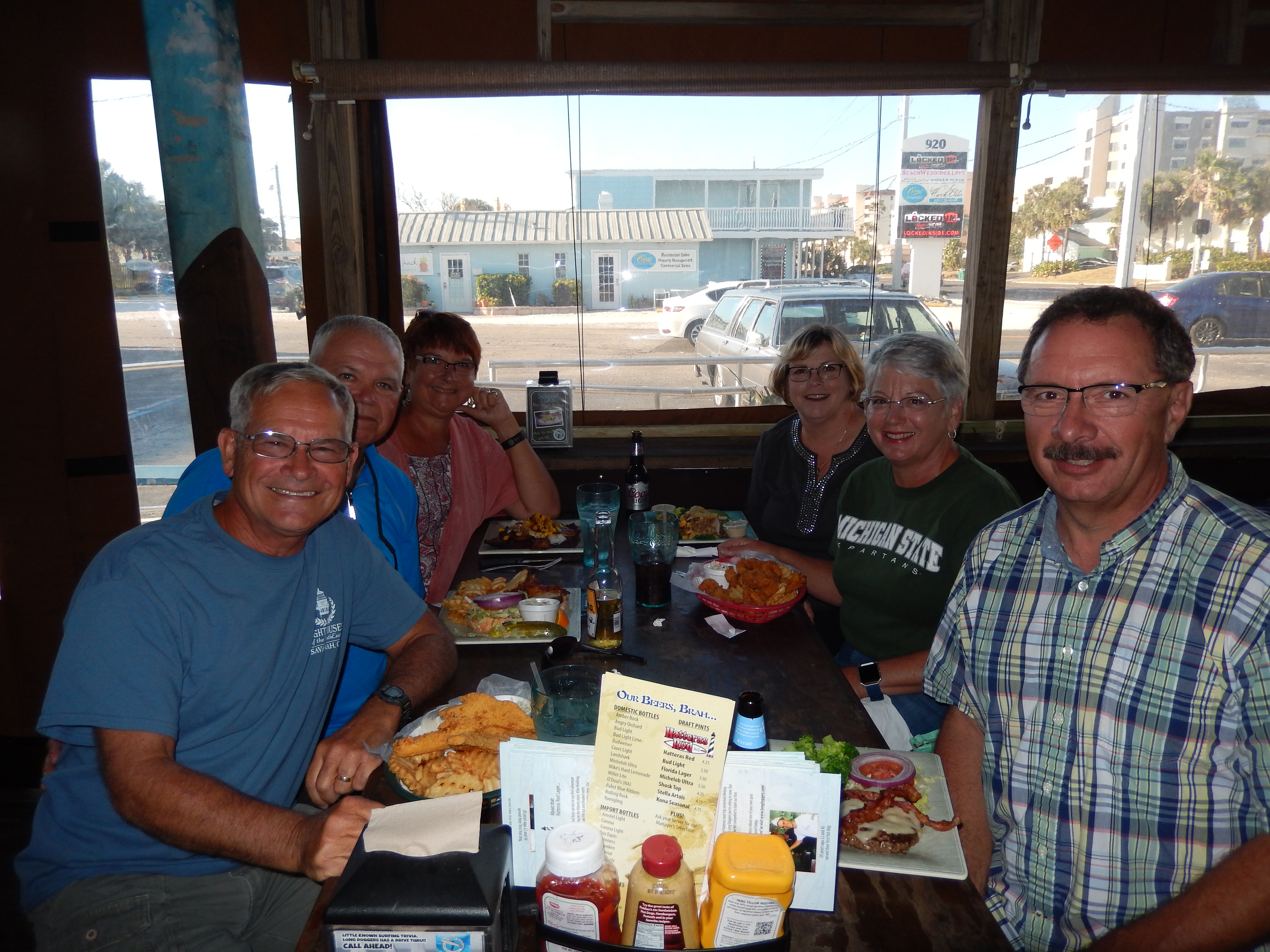
St. Augustine was on our route north from Key West and was a place we had never visited. We decided to visit St. Augustine “on the fly.”  We stayed in the parking lot of the local Camping World on Monday, March 20th, picked up some RV supplies there, went shopping at the outlet mall next door, and walked to dinner. We left the trailer at Camping World and drove into St. Augustine.

Our first stop was the St. Augustine Lighthouse.  I am a true lighthouse fanatic and this light was supposed to be among the best, so I considered it to be on the “must see” list.  The non-profit St. Augustine Lighthouse & Maritime Museum has done a marvelous job of restoring the lighthouse and the lighthouse keepers quarters, as well as the surrounding buildings.  In addition to the lighthouse they have demonstrations of boat building.

After stopping to see the lighthouse we drove to the Fountain of Youth Archaeological Park.  When I first saw this as an option I thought it would be a bunch of hype over the “Fountain of Youth.” However, it was much better.  There were a variety of exhibits that included the history of the site and astronomy that highlighted the area.
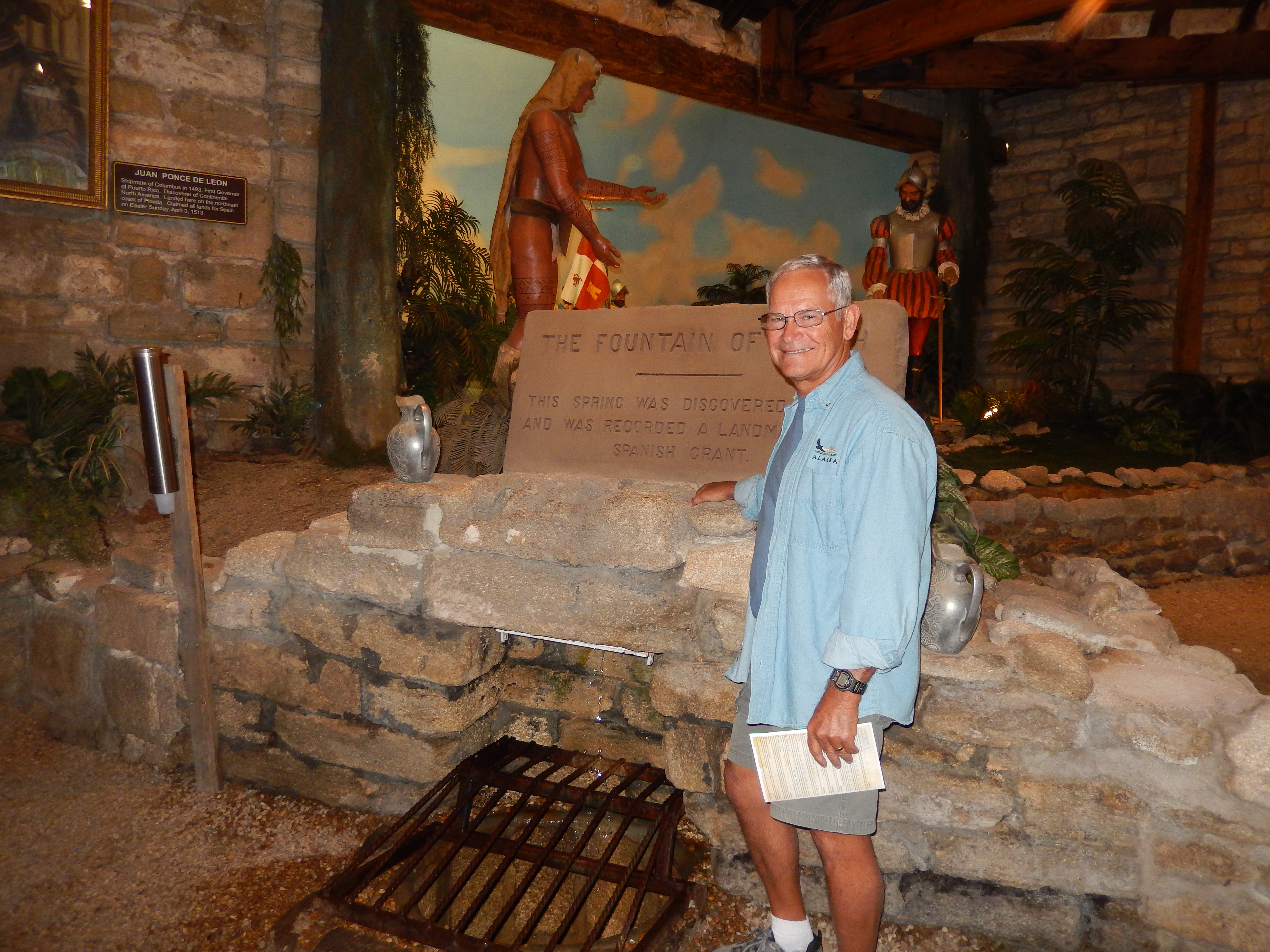
I knew that St. Augustine was the oldest city in the US, but didn’t know this was the site of the first settlement by European explorers.  (My Viking ancestors may have discovered the western continent first, but they didn’t settle here.) As we walked through the complex I was reminded of our visit to the Jamestown Colony a couple of years ago.  The efforts of archaeologists were similar in both places.  I know that the 17th Century was a time of exploration and conquest, but looking back with our 21st Century eyes one has to wonder, “Who gave these explorers the right to claim the land they discovered (that was already inhabited by others) for their king or queen?
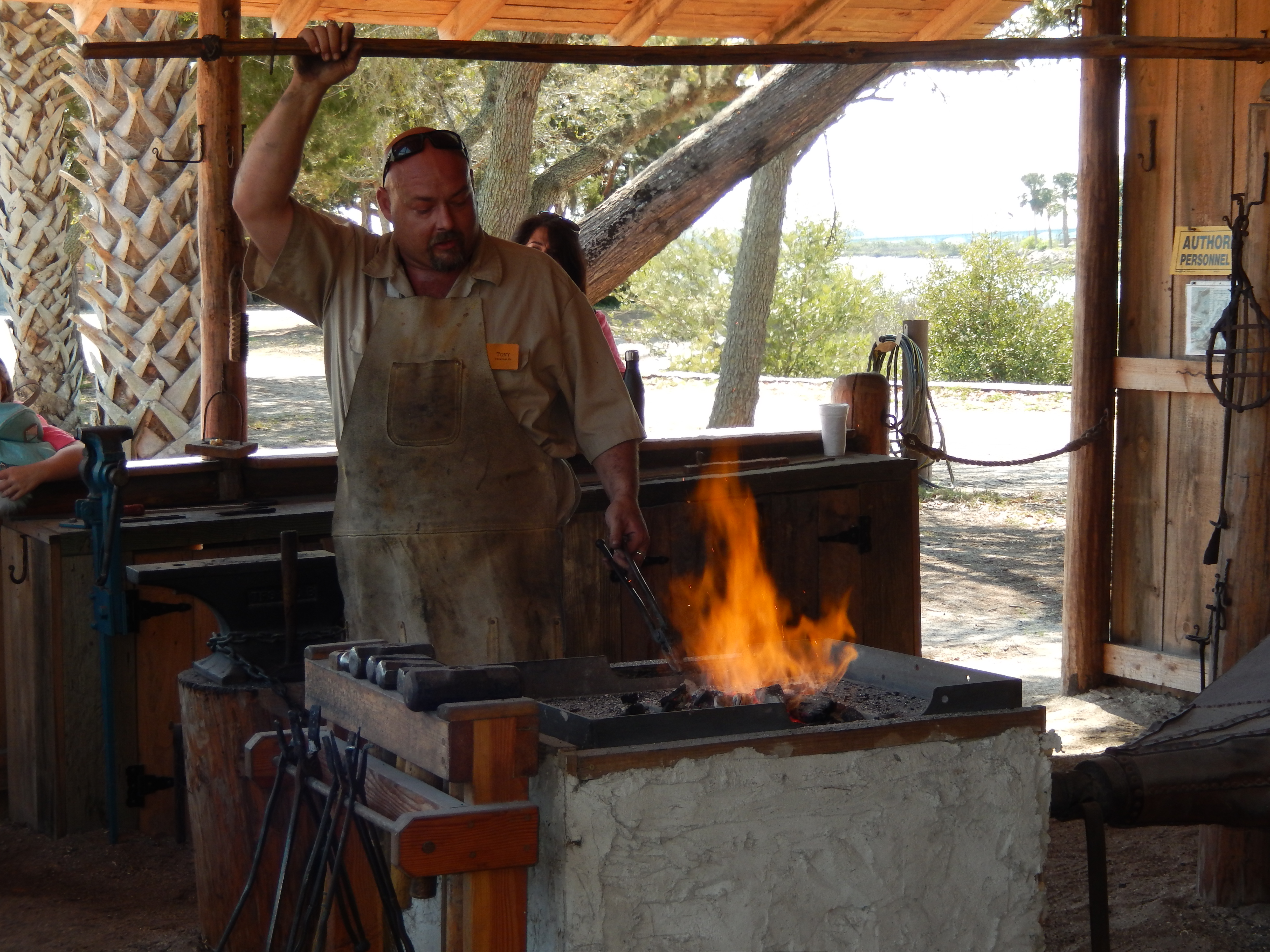
We wanted to see several sites and our time was limited.  Consequently we used our bikes for much of our sightseeing.  We left the truck at the Fountain of Youth and rode our bikes to see the rest.  The distances were not far and saved us the hassle of traffic and parking.

Our next stop was Castillo de San Marcos. This is the oldest masonry fort in the continental United States. Possession of the fort has changed six times, all peaceful, amongst four different governments: the Spanish Empire, Great Britain, the Confederate States of America and the United States (Spain and the United States having possession two times each). It was under siege twice, but never conquered. When the Spanish ceded the fort to the United States in 1821 the fort was designated a United States Army base and renamed Fort Marion, in honor of American Revolutionary War hero Francis Marion.
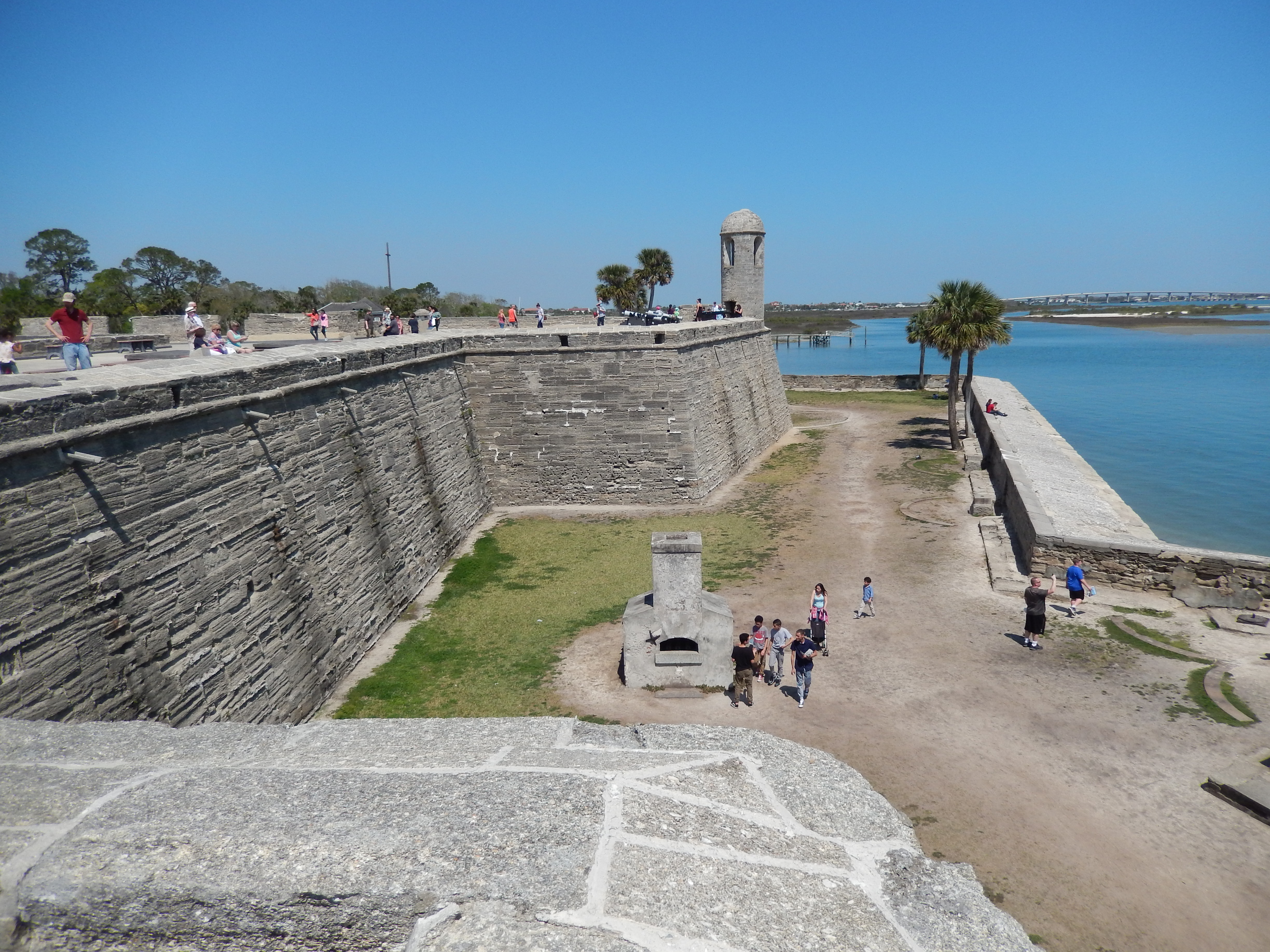
The fort was declared a National Monument in 1924, and after 251 years of continuous military possession, was deactivated in 1933. The site was then turned over to the United States National Park Service. In 1942 the original name Castillo de San Marcos, was restored by an Act of Congress.

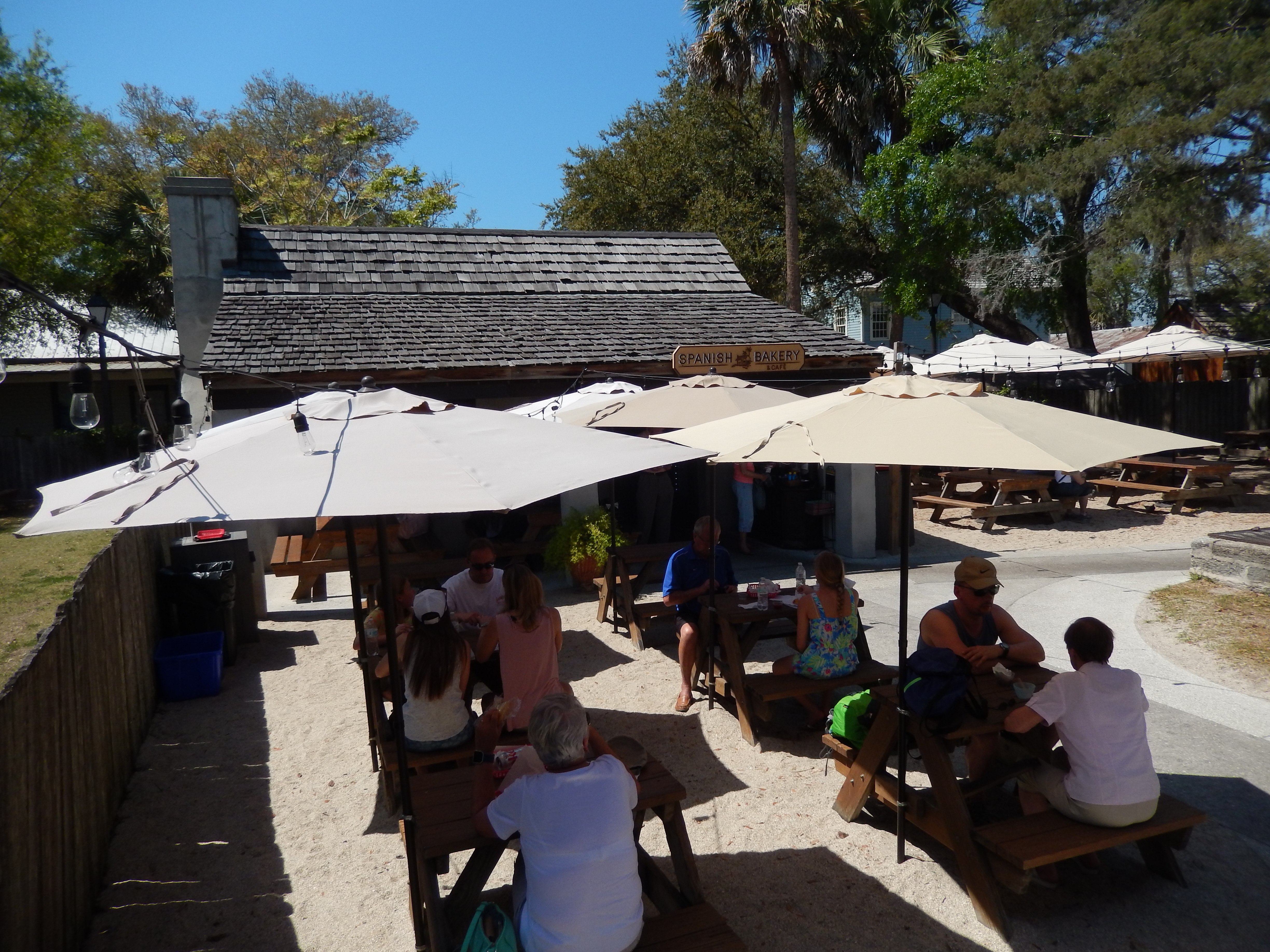
We stopped for lunch at the Spanish Bakery and Cafe.  It is a delightful place to eat, with outdoor seating in an enclosed courtyard off St. George street.  St. George Street is a pedestrian street, away from the heavy traffic.  We didn’t have the time then, but I thought it would be fun to return sometime and explore the shops along the street.
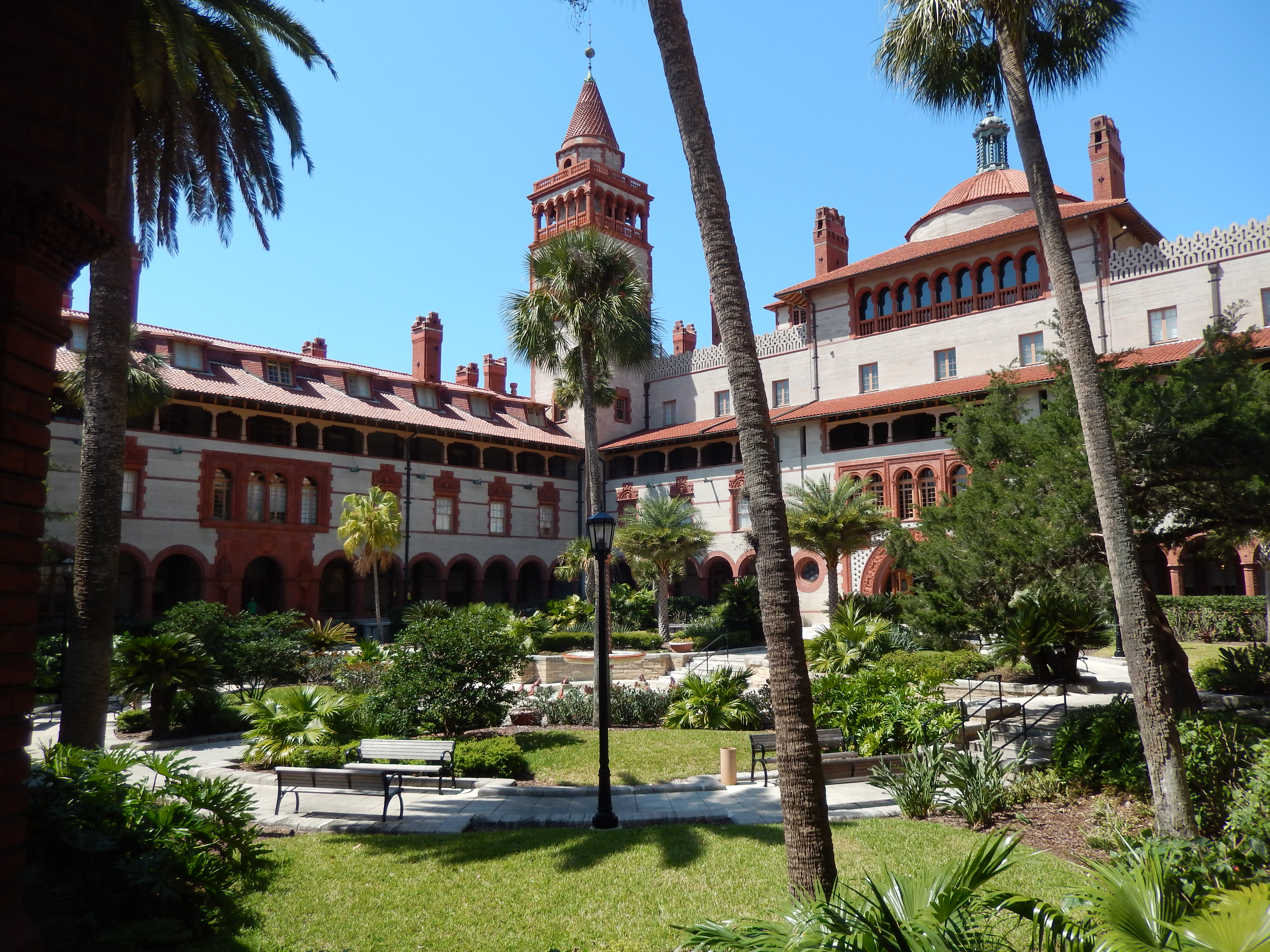
You can’t spend any time in coastal Florida and the Keys without hearing the name of Henry Flagler.  Henry Flagler was an American industrialist and a founder of Standard Oil. He was also a key figure in the development of the Atlantic coast of Florida. He is known as the father of both Miami and Palm Beach, Florida. Realizing the need for a sound transportation system to support his hotel ventures, Flagler purchased short line railroads in what would later become known as the Florida East Coast Railway. He modernized the existing railroads so they could accommodate heavier loads and more traffic.

His next project was the Ponce de León Hotel in St. Augustine, now part of Flagler College. After many years of work, it opened on January 10, 1888.  It is almost impossible to imagine such a beautiful building as a college.  You only realized it was a residence hall when you ran into signs that announced that you were not allowed in the hallways and dining hall.  It was much easier to imagine staying here as a guest in the late 1800’s.
Our last stop was the San Sebastian Winery, established in 1996.  It’s hard to pass up a winery visit when it’s so convenient.  The winery specializes in blended and sparkling wines from native Muscatine grapes, as well as port and cream sherry dessert wines. The winery tour was self-guided and we moved from one tasting station to another as we walked through the winery.  I was very familiar with most of the wine making equipment and process, but it was interesting to talk with the employees about wine making and the history of the winery.

After a short ride back to the Fountain of Youth, we loaded our bikes back on the truck, picked up the trailer at Camping World and began our drive up I-95 to Country Oaks RV Park, that would be our base for exploring Cumberland Island.

Posted in Florida, Fulltime RV, Michigan Traveler | Tagged , , , , , , , | 3 Comments

Cocoa Beach, FL – Repairs, Kayaks, and Friends – March 2017

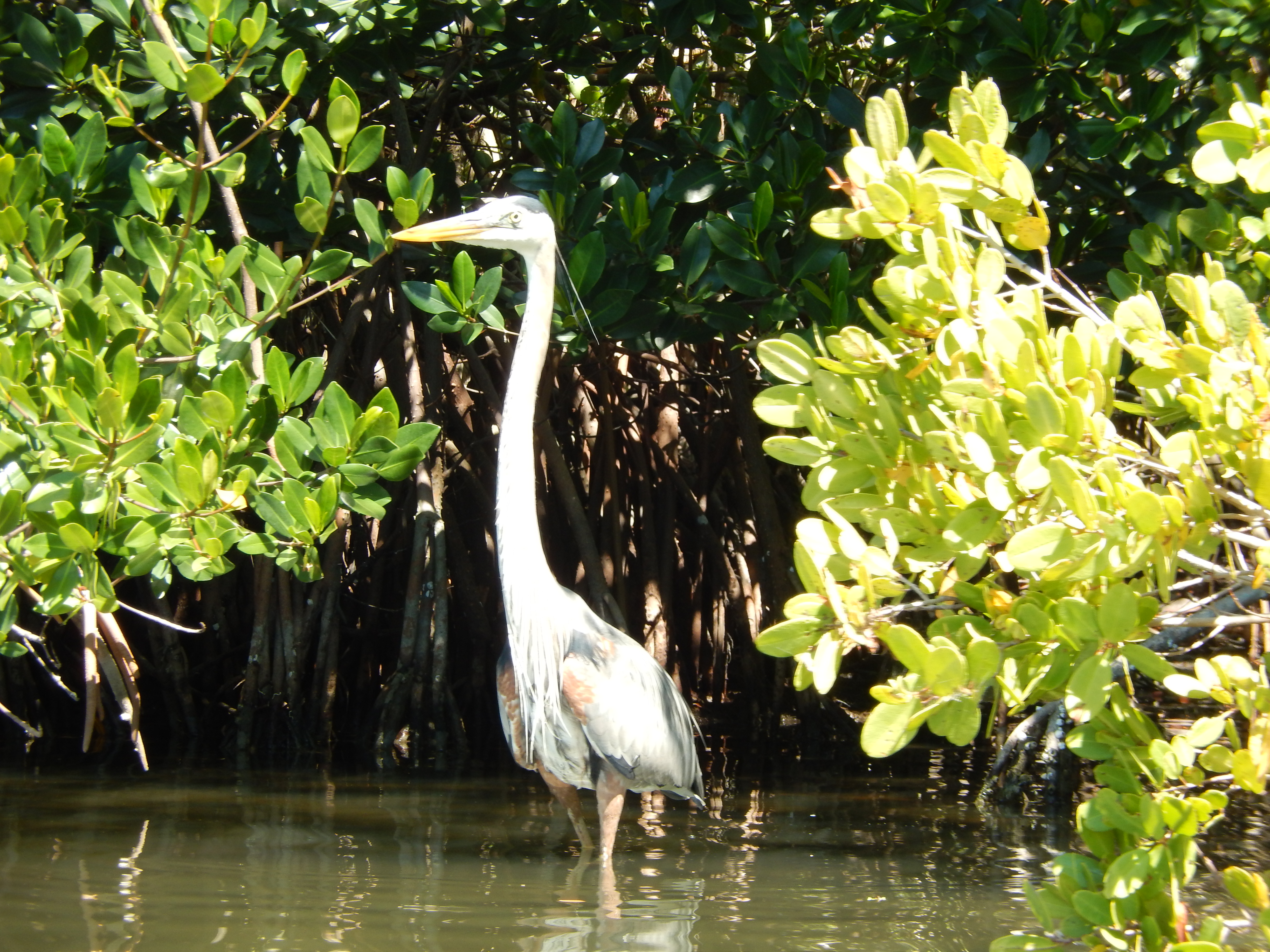
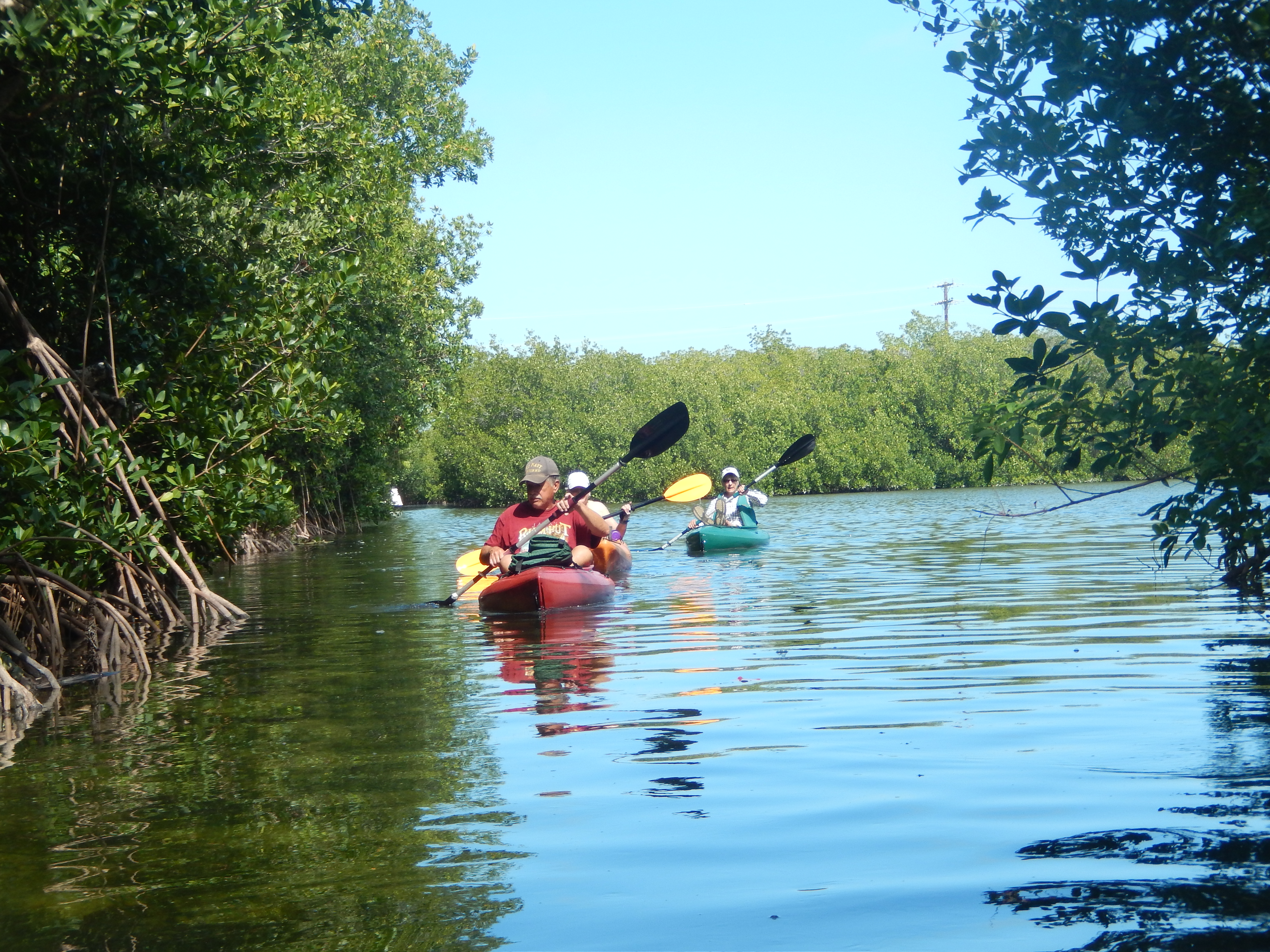
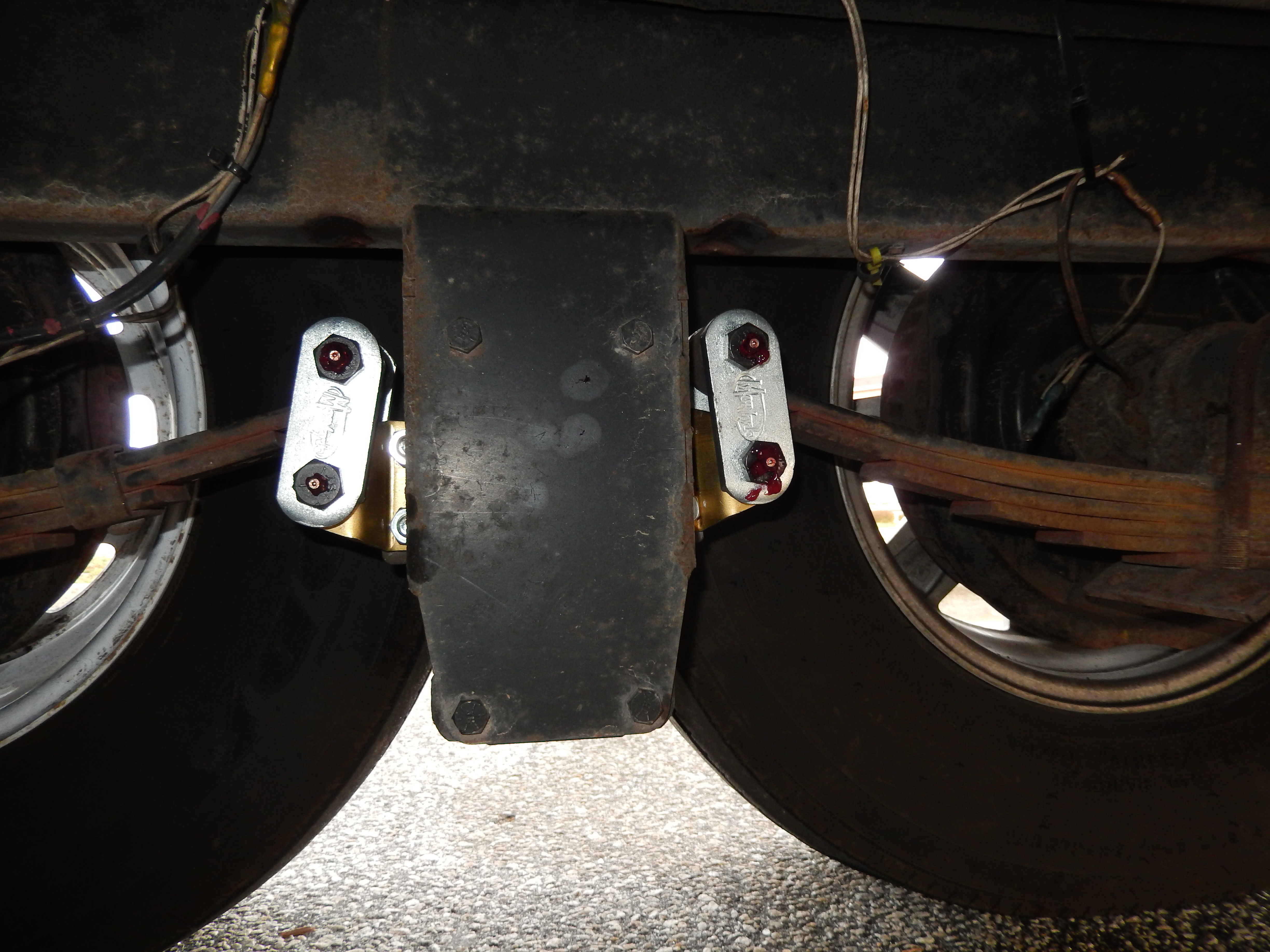
As we were driving from Key Largo to Cocoa Beach, we stopped at a rest area.  As I was walking back to our trailer I noticed that it was leaning, that the driver side was definitely lower than the passenger side. This was not new, I had noticed this in the past but had attributed it to a slope in the ground, rather than a problem with the trailer.  This time there was no doubt that it was the trailer, not the ground. After we set up, I crawled under the trailer, expecting to see a weakened or broken spring.  What I found was a broken spring shackle and one that appeared to have been broken for a while. After some research I determined that Glenn’s Tire and Auto was the best place to do the repair.  After talking with Todd, their Service Manager, he suggested that I go to Ferguson’s Auto Supply to get the parts they would make the repairs this next afternoon.  At Ferguson’s I discovered that they had the shackles, but not the broken piece to which they were attached.  I spent the morning being directed from repair shop to another trying to find out how to get the missing part.  Finally I stopped at Giant Recreation World in Palm Bay and a salesman in their parts department recognized that I had a MORryde suspension and found a kit with all the replacement parts that I could order online.  I drove to Glenn’s to show Todd what I had ordered and made arrangements to bring our trailer in to have the work done. The lesson here is to crawl under your rig every so often and do a visual inspection.With the trailer repairs taken care of we could relax and enjoy our time in Cocoa Beach.  We had stayed in the area before and had already visited the Kennedy Space Center and other typical sights. One of the attractions that most visitors don’t check out are the Thousand Islands. They are a group of natural, modified, and spoil islands in the Banana River Lagoon. During the early 1970s ditching by dragline was used in an effort to eliminate salt marsh in order to control mosquitoes. Most of the productive salt marshes that once rimmed the Indian River Lagoon were degraded in a similar manner. One side effect of this dredging was the creation of a maze of narrow trails through mangrove islands and hidden hammocks that are spectacular for kayaking. The canals provide shelter for manatees, dolphins and a wide variety of coastal birds. Many groups lead kayak tours from the Ramp Road boat launch and we saw several groups as we paddled around the islands and into the mangroves. The day was perfect – clear and sunny, with light winds. We paddled into a small lagoon, looking for a place to land our kayaks and eat lunch.  Were we surprised when we found two picnic tables half submerged in the water!  Not your normal lunch stop, but certainly the most unique lunch spot we’ve had on a kayaking trip.
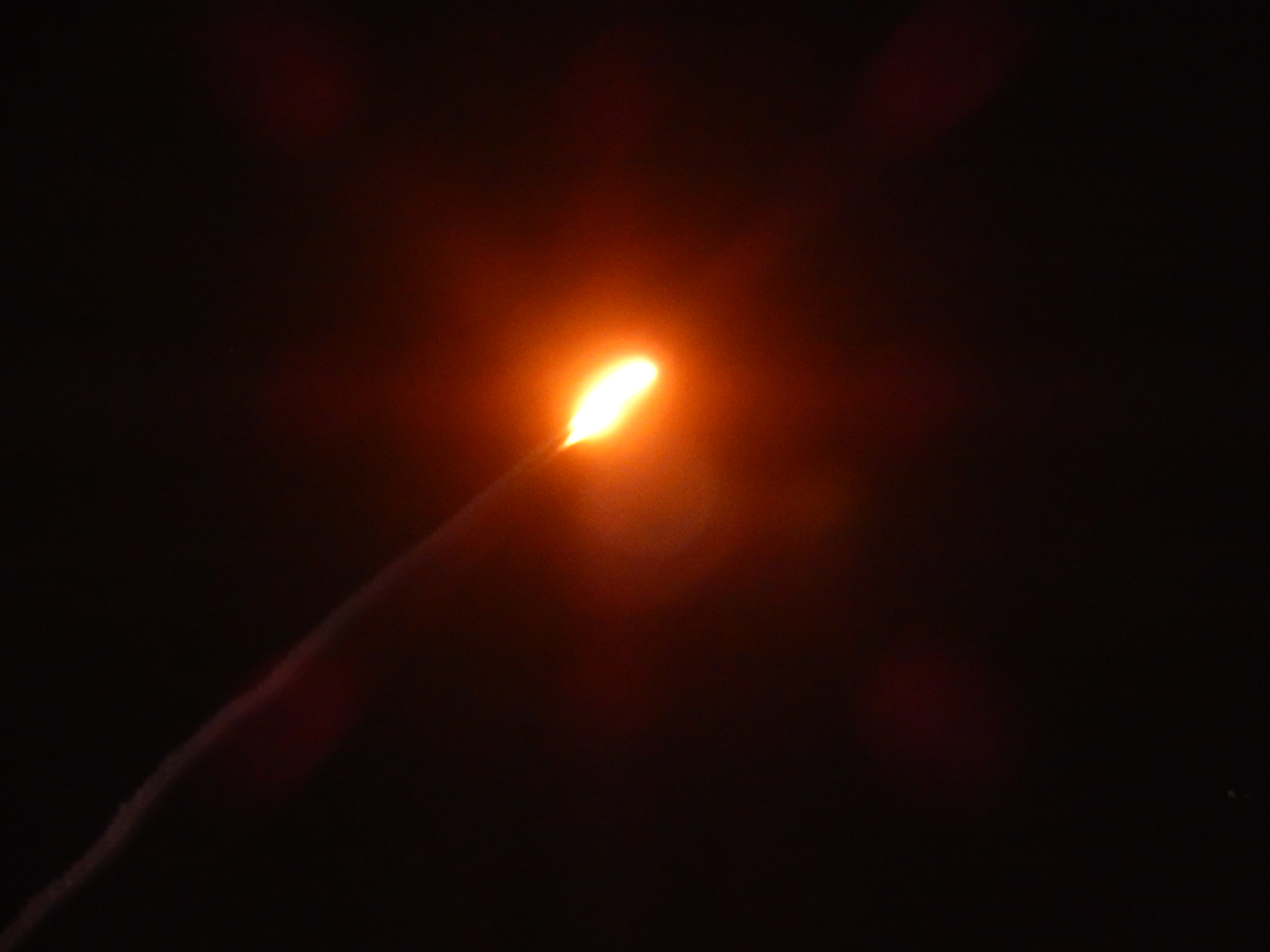
A special treat was to watch the launch of a Saturn V rocket by SpaceX from the Kennedy Space Center.  Even though we were miles away, we could hear the rocket engines and see the flare of the rocket. Another couple of fulltime RVers, also from Michigan, Jim and Diana Belisle, were spending the winter just south of us in Melbourne Beach.  We were able to meet with them and some friends of theirs, Fred and Bonnie, for dinner.  We all had a great time and hope to do it again, somewhere down the road.

The next morning we got to Glenn’s Auto as early as we could.  They got right to work and we hung out, hoping it would be a quick job.  It took longer than we expected but they did a great job and we were on the road by early afternoon.  Next stop, St. Augustine.

Posted in Florida, Fulltime RV, Michigan Traveler | 4 Comments

Diving the USS Spiegel Grove, Key Largo, FL – March 2017

Getting into Florida State Parks on short notice is not easy.  John Pennekamp State Park is one of the most popular and you can reserve a spot eleven months ahead of time.  However many of those who make a reservation that early have a change in plans and these reservations get cancelled.  If you consistently check for cancellations, you may get lucky.  After much diligence (on my wife’s part), we were one of the lucky ones and were able to get a two night opening and adjusted our departure from Key West accordingly.

Our reason for wanting to stay at Pennekamp was so I could dive on a couple of ships that had been sunk as artificial reefs off Key Largo.  My favorite dive shop in the area is Ocean Divers and they do a double wreck dive on Saturday and Sunday each week.  The plan was that we would dive on two Coast Guard cutters, the Duane and the Bibb.  I thought this would be great because the Duane and the Bibb are the sister ships of the Cutter Ingham in Key West where I served as a volunteer docent.  The weather forecast was for good weather but I woke up to heavy rain and winds.  The bad weather abated but as our boat headed for the dive site, the rain rolled back in again.  When we got to the dive site, the current was running so strong that the mooring balls were pulled underwater.  The good news was that our alternate plan was to do a double dive on the USS Spiegel Grove.

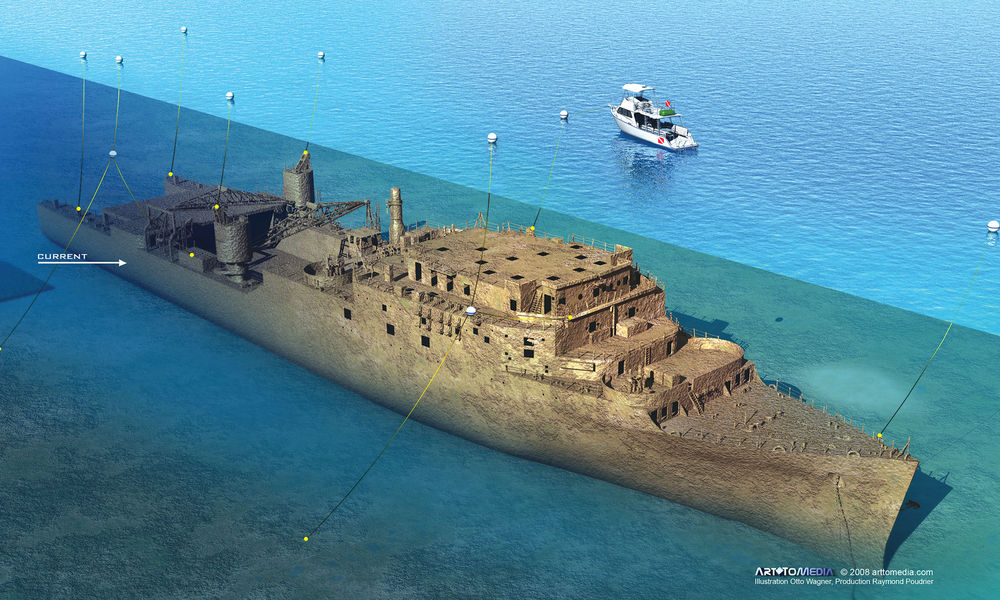
The Spiegel Grove is a destination dive.  On June 10, 2002, the date she was sunk, the Spiegel Grove was the largest artificial reef in the world.  With the sinking of the USS Oriskany off Pensacola on May 17, 2006, she became the second largest, and with the sinking of the USAFS Vandenberg off Key West on May 27, 2009, she slipped to third.  However, size has little to do with the quality of the dive and she still remains one of the world’s premier dive sites.

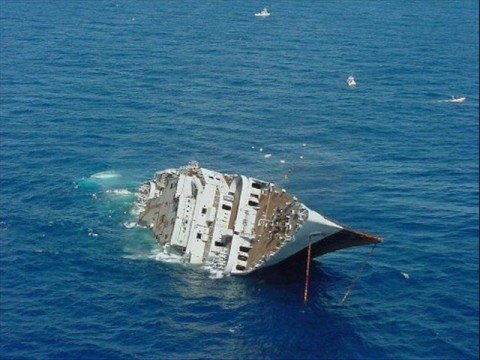
The vessel had an interesting ride to get to her current place among Florida’s big shipwrecks, starting with the ship’s premature sinking. Originally scheduled for sinking on Friday afternoon  May 17, 2002, the vessel apparently decided not to wait for the salvage crews and, six hours early, began to go down on its own, rolling over and coming to rest upside down with her bow protruding from the water. Three weeks later, salvage crews managed to complete the sinking of the Spiegel Grove, but were unable to roll the vessel upright and she came to rest on her starboard side. Further efforts were made to right the ship, without success, and the dive community eventually came to accept the fact that the vessel would remain on its side. However, nature had other ideas and in July of 2005, Hurricane Dennis ripped across the Florida Keys, leaving the Spiegel Grove sitting upright on the ocean’s bottom, just as originally planned.

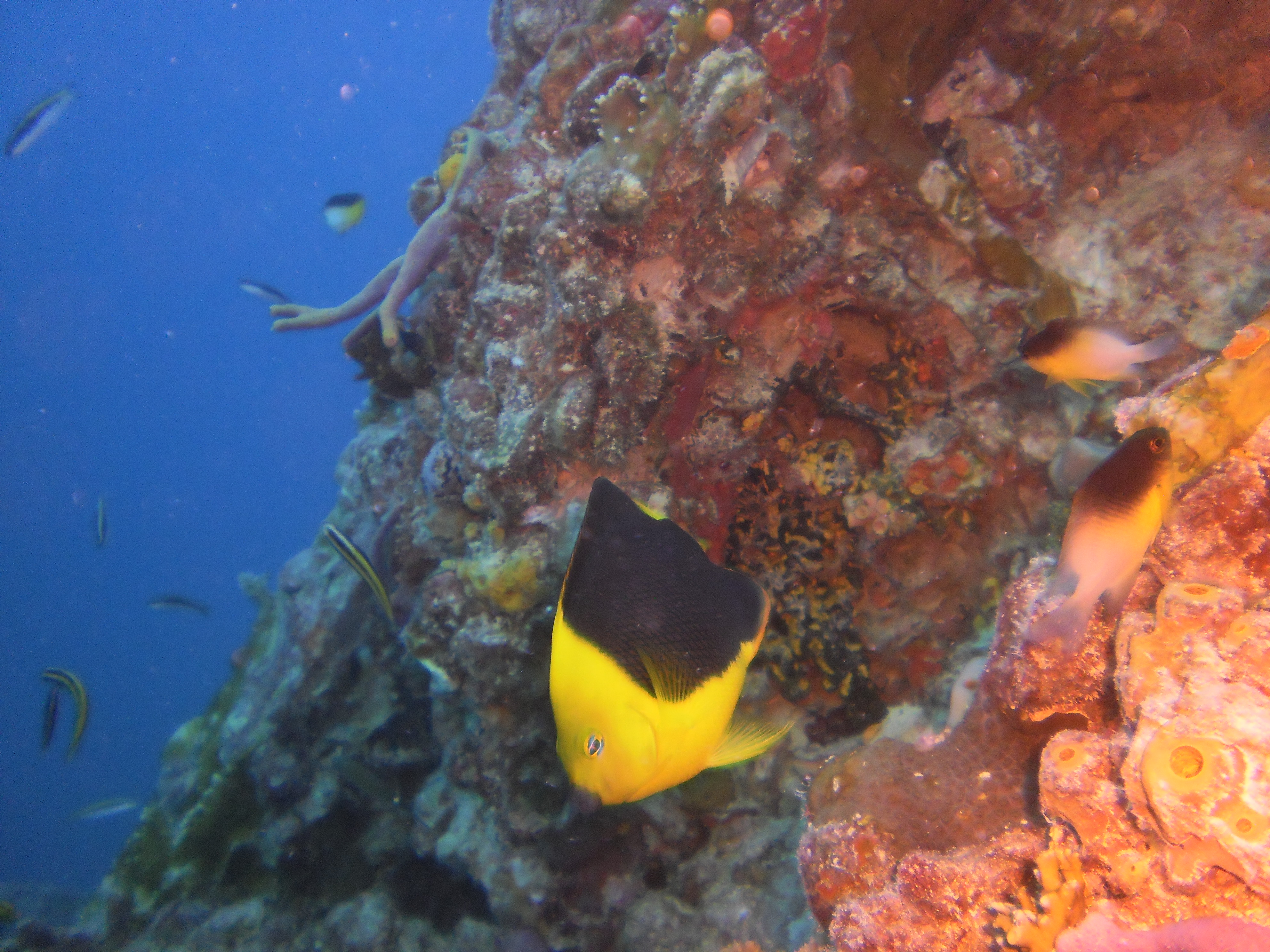
As an LSD (Landing Ship, Dock), the Siegel Grove offers a unique dive profile.  Divers can penetrate the upper superstructure of the wreck through prepared “swim throughs,” and swim into the well deck. Numerous mooring balls provide the means of tying off of chartered dive boats and secure descent lines for the divers. Three of these lines end at depths between 60 and 70 feet, those attached to the port side of the upper superstructure and the tops of the large cranes. Several other descent lines on the bow and stern terminate in deeper depths of 90 to 100 feet. The vessel itself sits in 134 feet of water with the top of the wheelhouse around 60 feet, the peak of the bow at 90 feet, and the top of the stern deck near the well door at 100 feet.Unlike her younger cousin, the Vandenberg, the Spiegel Grove is a fully developed reef ecosystem. Thick coral covers the huge cranes and the gun mounts and carpets the decks. Numerous reef creatures, from queen angelfish to barracuda, inhabit the nooks and crannies of the vessel.As a solo diver I take my chances on who I may be paired with for the dive.  This time I was extremely lucky to find an experienced diver.  Jim and I discussed and developed a dive plan.  We descended down a line that led to one of the 50-ton cranes above the well deck.  From the mooring ball we were able to see the ghostly shape of the ship.  As we descended the top of the crane came into focus, swarms of fish came into view, and my excitement grew.Because of the weather, the visibility was not as good as the last time I dove on the Spiegel Grove, but the overall visibility was still good.  Unfortunately the particles in the water made underwater photography a challenge. As we swam around and through the Spiegel Grove, we saw multiple barracuda, angelfish, grouper, grunts, and jacks. On our first dive we explored the  exterior of the ship, including the bridge, and swam into the well deck.  I was almost overwhelmed with the sheer size of the vessel.The highlight was the second dive where Jim led me on a penetration of the upper deck of the superstructure and the bridge.  It was so dark that, at times, the only objects I could see were what I lit with my underwater light.  This dive sounds easier than it was.  Even though we were in prepared swim throughs, it was essential to maintain good buoyancy control so as not to stir up the silt that settles in the wreck.  Fortunately Jim and I were able to float through the wreck with minimal contact and left clear water for the pairs of dive buddies that followed us.

The professionalism of the crew of our Ocean Divers dive boat was the icing on the cake as they helped us prepare for each dive and assisted us with our entry and exits.While I was disappointed that I was not able to dive on the Duane and the Bibb, I was not disappointed to dive the Spiegel Grove again.  In spite of starting in bad weather, it moderated and we had great conditions for diving.  I had an excellent crew to support the dive and a good dive buddy who made the dive a unique experience.  Life is good!

Posted in Florida, Fulltime RV, Michigan Traveler | Tagged , , , , , , , , , | 1 Comment

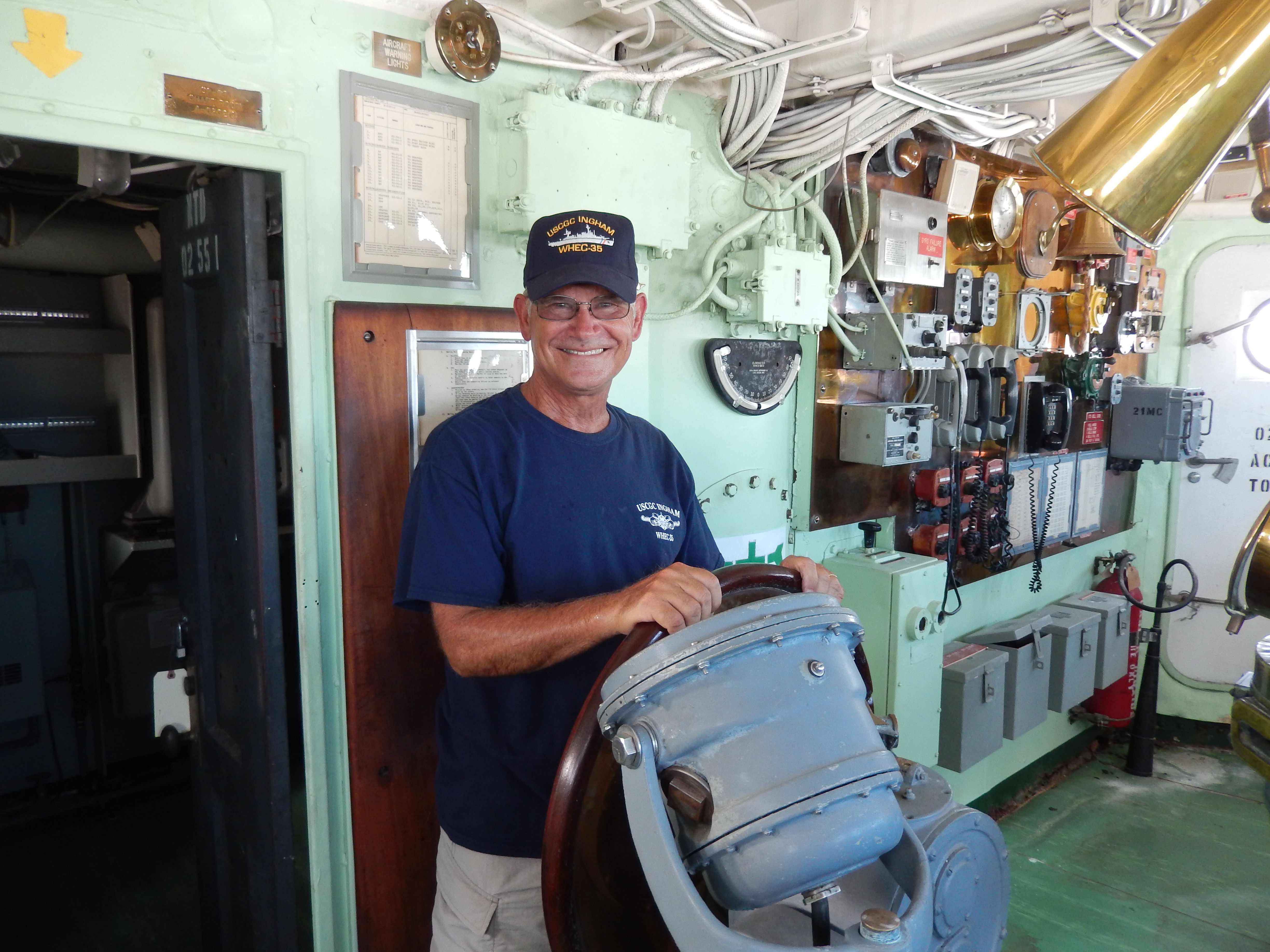
Volunteering on the Most Decorated Cutter in the Coast Guard, Key West, 2017

We have spent four of the last five winters in Key West.  As fulltime RVers, my wife and I can choose to stay in a warm, sunny place while our friends deal with the snow back in Michigan.  There is a lot to enjoy in Key West, but I also found there are many opportunities to serve in volunteer roles in the area.  My most rewarding was as a volunteer docent on the US Coast Guard Cutter Ingham, permanently moored in Key West as a floating museum.

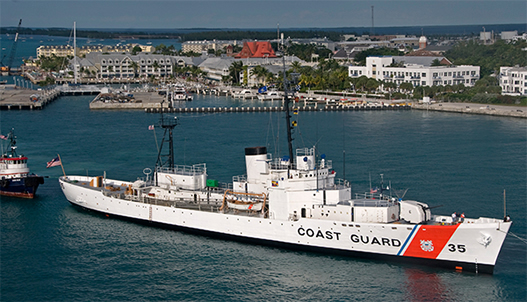
The USCG Cutter Ingham (WHEC-35) is a story of steadfastness, courage, endurance, and selfless service.

The Ingham was built in 1936 in the Philadelphia shipyard.  She began her World War II career escorting 31 convoys across the North Atlantic, protecting them from German U-Boat attacks.  As a High Endurance Cutter (that’s what the HEC in her number means) she could remain at sea for extended periods without replenishment.  While escorting a convoy in the North Atlantic she sunk the German U-Boat, U- 626.  Today the Ingham is the only warship still afloat with a confirmed U-Boat kill.  From the North Atlantic she went to the Mediterranean, continuing to escort convoys.

From Mediterranean the Ingham was brought back to the US for refitting and was ungraded with a new communications package. She was then sent to the South Pacific to serve as a flagship for amphibious operations.  During the invasion of Corregidor and the Philippine Islands, General MacArthur made the Ingham his flagship.

After WW II the Ingham performed peacetime Coast Guard duties of anti-smuggling, counter-drug operations, search and rescue, and oceanographic survey.

She again served under control of the Navy for both Korea and Vietnam, providing off-shore patrolling and naval gunfire support of ground forces.  It was during Vietnam that she was awarded two Presidential Unit Commendations for her naval gunfire support.

The Ingham was retired in 1988 after 52 years of continuous service and was (and still is) the most decorated cutter in the Coast Guard with 21 ribbons, 27 medals, 14 battle stars and 2 Presidential Unit Commendations.

The Ingham was initially on display at Patriots Point in Charleston, SC until 2009 when South Carolina decided they did not want to continue to maintain her.  There was talk about sinking her as an artificial reef or scrapping her.  Bill Verge, a native of Key West and a former Coast Guard officer, essentially said, “You can’t do that!  The Ingham is the most decorated cutter in the service!.”  So, he purchased the Ingham, raised the money to put her in dry dock to make her seaworthy and had her towed to Key West, where she is proudly on display as the official U.S. Coast Guard Memorial, honoring all Coast Guardsmen killed in action from WW II through the Vietnam Conflict.

Five days a week the Ingham is open for self-guided tours.  As a special treat on Friday and Saturday evenings, the Ingham is open for a Sunset “happy hour” when you can sit along the port side to have the best view of the sunset in Key West.

During the tours you can see the engine room, crews quarters, mess deck, officers wardroom, combat information center, the bridge and the Captain’s cabin.  Everything you see on the tour are original items, including magazines, playing cards left by the crew in 1988, and the china in the wardroom and Captain’s quarters.  The museum in mess deck shows the history of the Ingham and her sister ships from WW II through the Mariel Boat Lift from Cuba in the late 1980s.  There is even a memorial to the crewmen of the U-626 who died when they were sunk in the North Atlantic.

The Ingham is a true time capsule.  One day I witnessed Bill escorting a young lady through the ship.  I didn’t know why she was getting so much attention until I found out that her grandfather had been one of the Ingham’s commanding officers, and his ashes are actually interred on board.  It was an emotional moment for her to visit her grandfather’s remains on board a ship that he had commanded.  The ashes of three other Ingham crewmen are also interred on board.

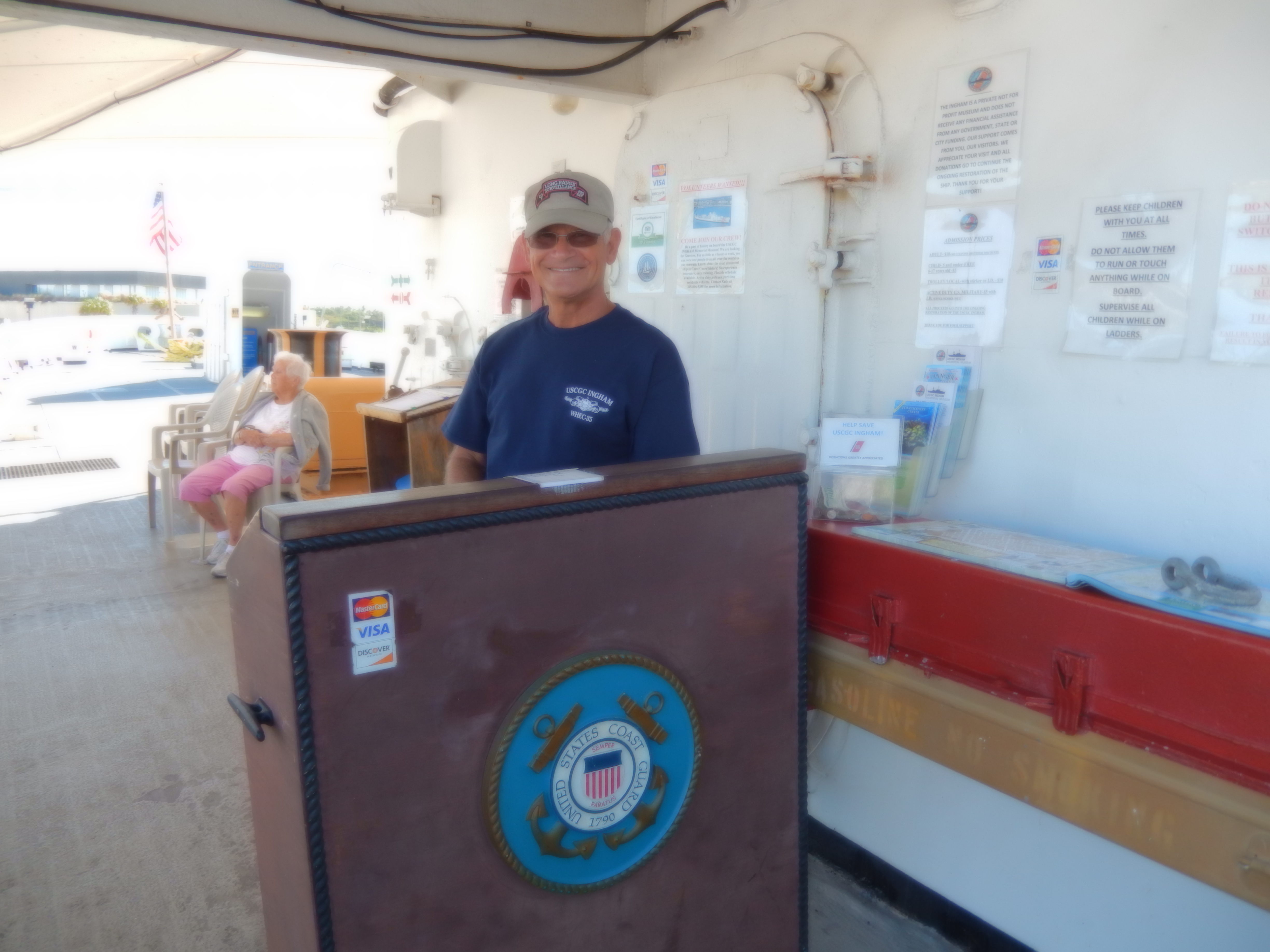
As I manned the gangway I had the opportunity to tell the story of the Ingham to our visitors.  It was always a pleasure to take a few minutes and talk to them after they have toured the ship.  The vast majority are truly amazed at what these “coasties” did over the years, the risks they took to save the lives of others, both during times of war and of peace.  We get visitors who have served in the Coast Guard, and even some who have served on the Ingham, and the stories they told after they return to the gangway after the tour just made my day.

It has been a pleasure and a privilege to serve as a “crewman” aboard the Ingham, even though I am an Army veteran.  It gave me an opportunity to highlight some history that some people have never heard and certainly have never experienced.  Over her 52 years of service the Ingham demonstrated the Coast Guard’s motto, “Semper Paratus,” or Always Ready and the unofficial motto of “You have to go out, but you don’t have to come back.”  Today the Ingham’s mission is to “Honor, Educate, and Inspire.”  As in her past, she performs this mission faithfully.  My hat is off to Bill Verge and his staff, as well as the untold number of volunteers who continue to give up their time (often while on vacation) to man the gangway and assist in the maintenance of this fine, fighting ship.

Semper Paratus!

Posted in Florida, Fulltime RV, Michigan Traveler | Tagged , , , , , | 4 Comments

The Vandenberg – A Monster of a Wreck, Key West, February 2017

If you ever watched “Sea Hunt” with Lloyd Bridges as a child, you may have had a desire to SCUBA dive on a sunken ship.  Unfortunately that can be quite a dangerous event because of loose equipment on board, and damage that may have left sharp edges, just to name a few.  For many SCUBA divers an intentionally sunken ship, acting as an artificial reef, is the answer to that quest.

Marine resource managers create artificial reefs in underwater areas that require a structure to enhance the habitat for reef organisms, including soft and stony corals and the fishes and invertebrates that live among them.

Many reefs are built using objects that were built for other purposes, for example by sinking oil rigs (through the Rigs-to-Reefs program) or scuttling ships.   When ships are properly prepared to be sunk as a reef their hatch doors have been removed, extraneous equipment, and all electrical and hoist cables have been removed.  The interior spaces are cleaned of all debris that could pose an underwater danger.  All this makes entering the inside of an artificial reef much safer than entering a ship that was sunk by an accident.

Properly prepared artificial reefs help take human pressure off natural coral reefs and provide alternative structures for SCUBA divers to explore and additional habitats to increase marine life populations.

The Florida Keys National Marine Sanctuary contains several decommissioned vessels that were sunk in specific areas for diving or fishing opportunities prior to the area’s designation as a national marine sanctuary. One of the most famous is the USAFS General Hoyt S. Vandenberg.

The USAFS General Hoyt S. Vandenberg began her career as the USS General Harry Taylor, a transport ship that served from 1944 to 1958 when she was stricken from the Naval Register.  In 1961 she was acquired by the U.S. Air Force and renamed the General Hoyt S. Vandenberg.

The Vandenberg was used as one of ten missile range instrumentation ships. “Equipped with extremely accurate and discriminating radar and telemetry equipment,” she tracked and analyzed “re-entry bodies in the terminal phase of ballistic missile test flights,” carrying out those missile and spacecraft tracking duties in both Atlantic and Pacific waters until her retirement in 1983. She was ultimately stricken from the Naval Vessel Register on 29 April 1993.

In 1998, some scenes of the sci-fi film Virus were filmed aboard the Vandenberg. The ship substituted for a fictional Russian vessel called the Akademik Vladislav Volkov, and some of the Cyrillic lettering applied for the film is still visible on the hull today.

On May 27, 2009, after more than a decade of planning and funding totaling $8.6 million, this ex-military missile-tracking ship, that once tracked space launches off Cape Canaveral, Fla., and monitored Soviet missile launches during the Cold War, was added to a list of military vessels purposely sunk off the Florida Keys to become artificial reefs, thus preserving a bit of U.S. history.  The Vandenberg was sunk seven miles south of Key West (N 24 28.164 W 081 43.468) and is the second largest artificial reef in the United States.

You can view a video of the intentional sinking of the Vandenberg by clicking on this link – https://www.youtube.com/watch?v=Y0RyFnoFgyQ

This year I made my seventh and eighth dive on the “Vandy” and I still haven’t seen it all!  She is 522 feet in length, sits in 140 feet of water, and her highest point is 50 feet below the surface.  On my last dive we teamed up with a guide from the local dive center who led us into the interior of the ship and we swam through a series of rooms until we exited 100 feet later – what an experience!  As I said in a Trip Advisor report, it is a monster of a wreck.  The three radar dishes that sat on the upper deck have now slipped off their masts and two rest on the main deck and the third is on the sea bottom.  My favorite picture is one of me swimming through the center of one of those radar dishes.

There is so much aquatic life on the Vandenberg!  It has become a haven for fish and other aquatic life.  There are sponges and coral growing on her hull, countless barracuda cruise in and out of her hatches, sea cucumber and frog fish attach themselves to her hull.  On my last dive a surprised a 500 pound goliath grouper resting inside one of the radar mast towers.

The Vandenberg has attracted divers from all over the world.  For a SCUBA diver, a trip to Key West is not complete without diving on the Vandenberg.  In my opinion, it is the best dive site in this end of the Florida Keys.

Posted in Florida, Fulltime RV, Michigan Traveler | Tagged , , , , , , | Leave a comment

The Chickens of Key West, February 2017

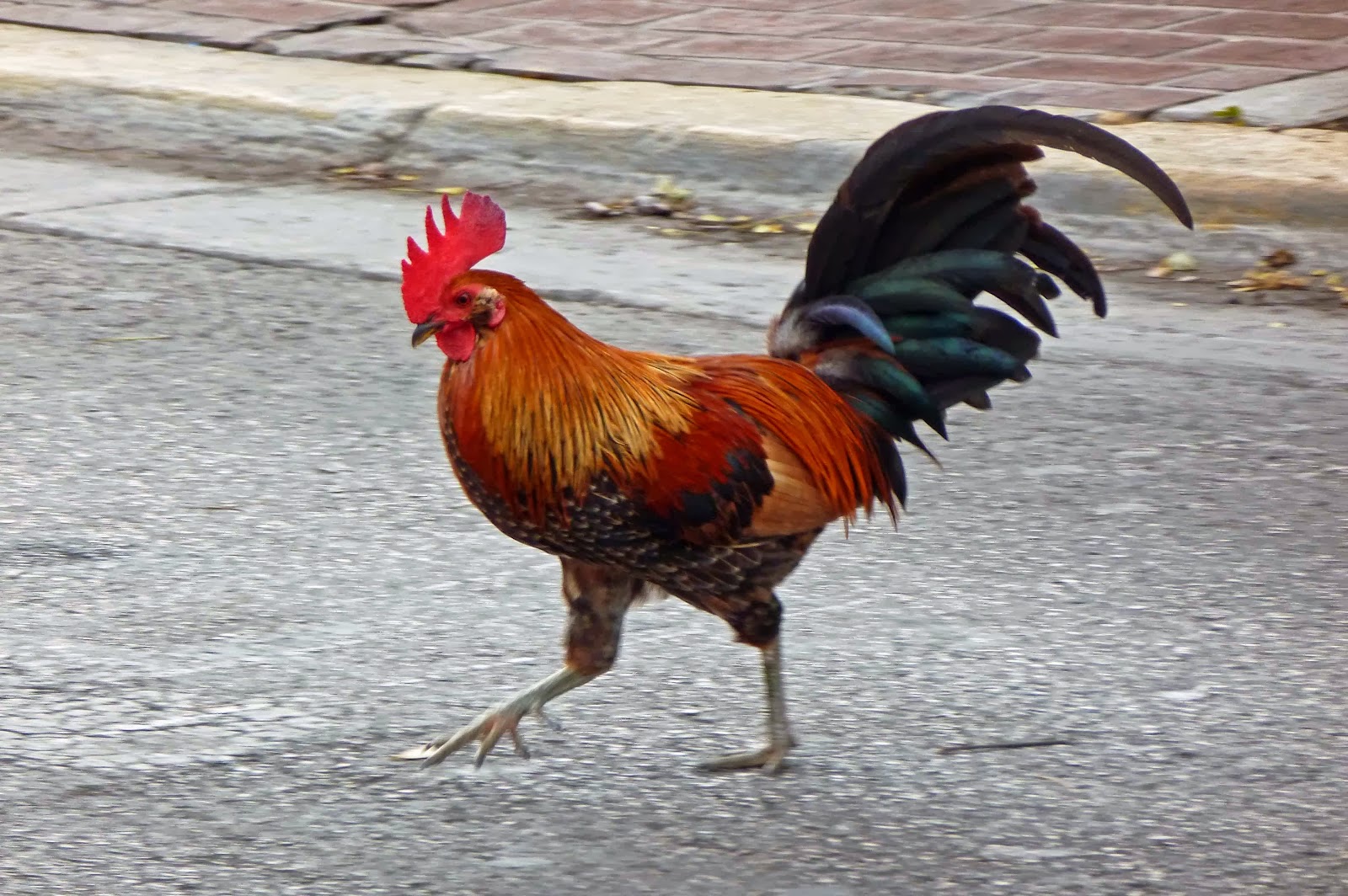
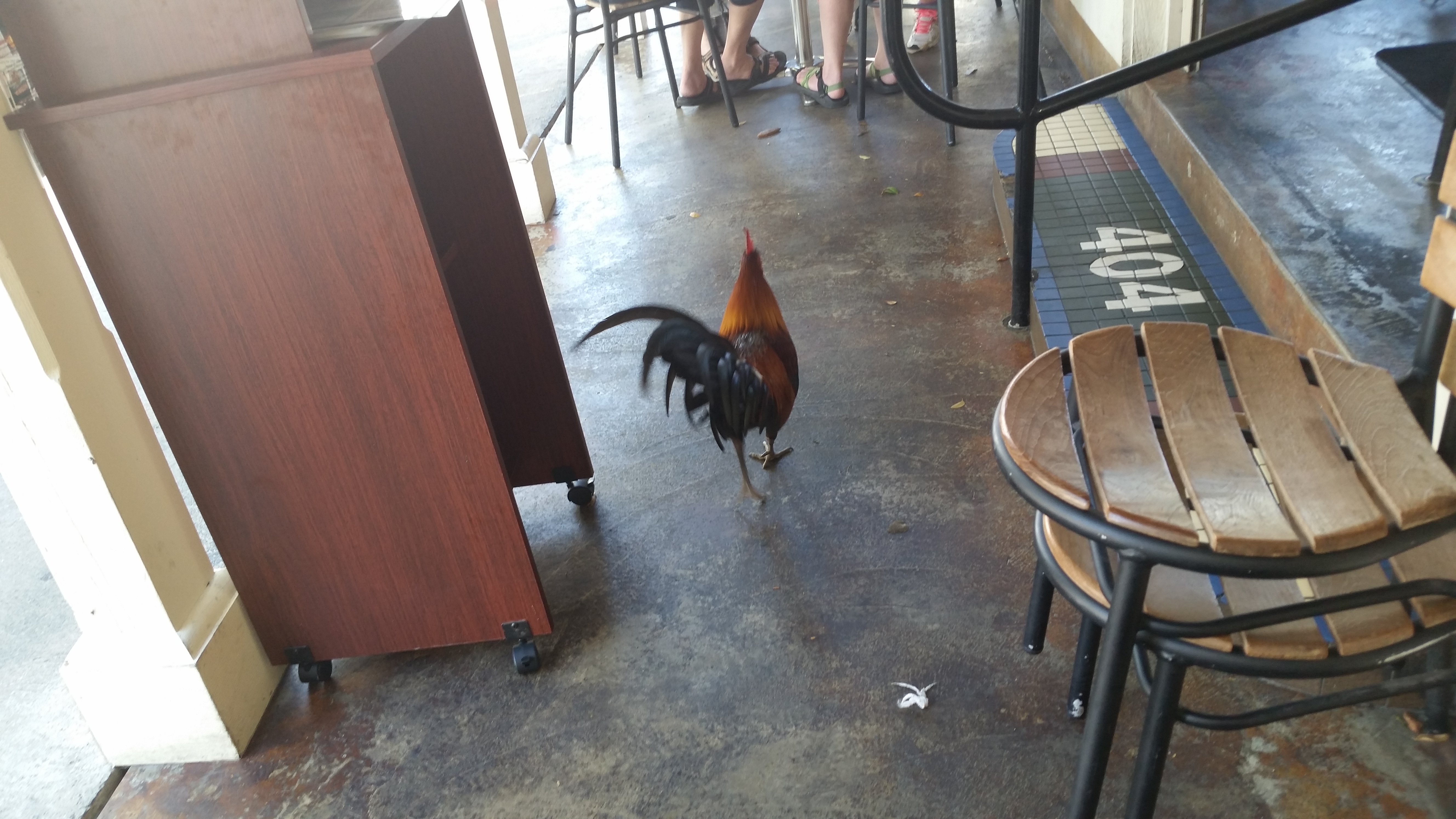
As you wander through the streets of Key West you will see people in swimsuits, with red, purple and pink hair, and with multiple piercings walking next to people in business attire – men in sports coats and ties, or women in shirts with heels.  It is a place for just about everyone.  However, this every day acceptance is not limited to people, but also animals.  Welcome to the Gypsy Chickens of Key West!

chicken-3

When people in earlier times migrated to Key West and being aware of its isolation from food sources, they brought their own chickens with them, providing eggs, meat and of course reproduction of the species.  As Key West became more connected to the rest of the world and with the advent of local markets and supermarkets carrying these products, some people quit raising chickens and they were more or less released.  No longer being fed by their owners, the chickens were able to survive off of the native insects, lizards, scorpions and worms around town. It is said that the chickens have helped to minimize cockroaches in tropical Key West.

By 1860, Cubans began to move to Key West and, it is said, that they brought their love for cock fighting and their Cubalaya chickens with them. By 1890, more than half of Key West’s population was of Cuban origin.

chicken-1

Luckily, the southernmost city outlawed cockfighting in 1970’s, putting the Cubalaya chickens out of business, and out on the streets of Key West. Domestic chickens on the island were losing their homes at the same time when their owners moved away. Now the roosters & chickens were left to roam free, and nature took its course. So, some forty years later, you now have what are called “Gypsy Chickens.” Like in the 1970’s, they are still protected, and make Key West the truly unique place that it is!

It is against the law in Key West to kill the local chickens.  Local folklore says the law dates back to voodoo practices involving the sacrifice of chickens.  And while the chickens make Key West a unique place, some of the locals are very unhappy with them.  Over a period of time, chickens roaming freely and “letting nature take its course” can make for a lot of chickens.  The following is taken from Sarah Goodwin-Nguyen’s blog concerning the “gypsy chickens”:

Key West’s city government, beset by calls from disgruntled locals, have tried several times to “downsize” the chicken population.  In 2004, the city hired local man, Armando Parra, a barber and self taught bird catcher, to serve as “chicken catcher”.  The birds were supposed to be “relocated” to a free range farm in Miami-Dade.  Amid speculation that the birds were secretly being killed, local pro-chicken factions began tampering with traps and Parra was dropped from the city payroll.  In 2008, Assistant City Manager, John Jones, made some comments to the local paper urging fed-up locals to “humanely” break the chickens necks, outraging animal lovers.

Since then the City has formed a symbiotic relationship with the Key West Wildlife Center.  In exchange for financial aid, the KWWC, which aids in the rescue and rehabilitation of local birds and other wildlife, serves as a holding center for “nuisance” Gypsy chickens that have been trapped and brought in (traps can be borrowed from the center for a deposit).  The birds are adopted out to people outside of the Keys, who must sign an agreement stating that the birds are for pets and not meat.  Adopted chickens come with a signed letter from the City Mayor attesting to their authentic breeding as “Key West Gypsy Chickens.”

So be forewarned while you may pay $250 a night for that classy resort room, your alarm clock may be in the street below your room and go off at the oddest, most inconvenient time.  Don’t be surprised if the waiter at your table is accompanied by a strutting rooster.  Welcome to the Conch Republic!

chicken-7


Posted in Florida, Fulltime RV, Michigan Traveler | Tagged , , , , | 4 Comments

Kayaking in the Florida Keys – January 2017

Kayaking in the Florida Keys is a unique experience.  You can paddle into the Atlantic Ocean or in the Gulf of Mexico and sometimes during the same trip.  If you don’t have your own, there are more places to rent canoes, kayaks, and paddle boards than I can list.

dscn4710

You can launch from several marinas and paddle into the Atlantic Ocean side of Key West or into the salt marsh behind Key West International Airport.  Paddling along the canal to the Salt Marsh, you get the chance to see a variety of homes in Key West, some are fulltime residents and others are vacation homes or rentals.  There are points where you can leave the channel and paddle back into the salt marsh and enter an entirely different ecosystem.  Here the mangroves have created small islands of nothing but roots.

20150302_113914  The root system comes off the branches to reach down to the water instead the typical root ball that you find in normal plants and trees.  (The iguana also like to sunbathe on them!)  Typically you will see heron, sea gulls, and cormorants back in the marsh.

One favorite site in the Key West area is Geiger Key.  There is a public launch site just past the Geiger Key Marina and RV Park that is very convenient.  A system of islands just off shore give you a break from some of the winds blowing in from the Atlantic Ocean.

It’s always a good idea to check the tide tables for the area as some of the channels are only a few inches deep at low tide.  Believe me when I say dragging your kayak to deep water on a mushy bottom is not fun!

You can always count on seeing a variety of trash that is washed up on the shore in the low hanging braches of shoreline trees.  While this bothers me, it doesn’t as much as it used to.  Some of this is not due to people dumping their trash overboard, a lot if it is gear that has been washed off decks in high winds and seas, as well as lobster buoys that have been torn from their moorings.  I always carry a few plastic grocery bags to pick up and dispose of as much as I can on each trip.

dscn1625  Sometimes you will see complete boats that have floundered and washed ashore.

On our last trip we were fortunate to see a good number of sea birds, pelicans, ibis, blue heron, egrits, and anhinga.

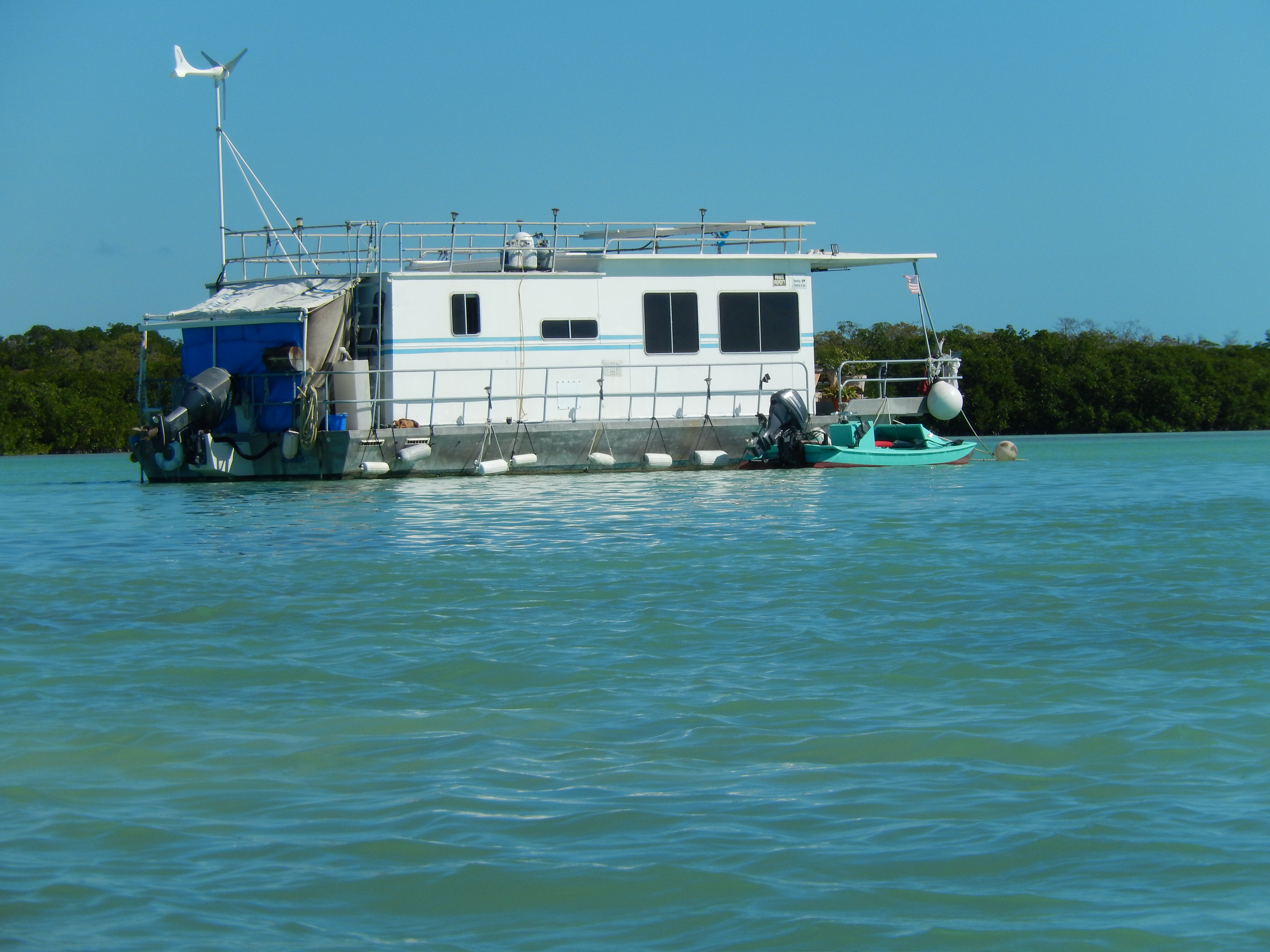
Back in northern Michigan we will see shacks or old hunting cabins and various states of disrepair.  Well, in Florida, they have houseboats.  In the Keys, there are permanent moorings that you can rent, but you can anchor almost anywhere you want at no charge.  On our paddling we have seen several houseboats anchored in the mangroves and this is one of the nicer ones.

dscn1635

You’re supposed to pay someone to come out and pump out your waste holding tanks, but it wouldn’t surprise me if a lot of these ocean “squatters” just dump their tanks into the water.  If they get caught there are big fines, but the Sheriff’s Marine Division can’t be everywhere.

One nice thing about kayaking at Geiger Key is you can always stop at the Geiger Key Marina and Fish Camp for lunch or a quick drink before heading back to the RV.

Posted in Florida, Fulltime RV, Michigan Traveler | Tagged , , , , , , | 4 Comments

Tampa and Home for Christmas, 2016

Tampa has a lot of good things going for it as a place to stay in December.

20161209_133847

  1. It’s warmer than North Carolina (which we left the end of October).
  2. Our niece, Robin, and her two kids live here.
  3. The RV park at MacDill Air Force Base is a convenient place to stay.
  4. It’s on the way to Key West!

Seriously, we enjoy staying in the Tampa area for all of those reasons and more.  We always enjoy spending time with Robin, Destiny, and Jeremiah.  The fulltime RV lifestyle makes this a lot easier.  You can see your family as much as you, or they, want and you don’t have to move in with them to do it!

It may have been warm in Tampa but the Christmas celebrations were in full swing.  We saw lights and decorations throughout the campground and base housing areas and participated in the annual lighting of the base Christmas Tree of lights.  The place was packed with base families.  There were free Christmas cookies and drinks, the base elementary school chorus entertained us, and Santa rode up in a fire engine!  It was a unique and enjoyable experience.

20161207_181713

Robin took us to visit the Florida Botanical Gardens in Largo.  Every year the Gardens are decorated with Christmas lights.  It was fun to stroll through the display of lights and see how creative they were.  Pat even saved Jeremiah from being eaten by an alligator!  I was surprised to discover that the Florida Botanical Gardens were also responsible for the Weedon Island Preserve where we have enjoyed kayaking among the mangroves.

dscn1479

On December 16th we flew back to Michigan for the holidays (and for doctor’s appointments!).  The flight was uneventful, but the weather was a bit of a shock to our system.  We left Tampa with daytime temperatures in the high 70s and we were met in Detroit with temperatures in the high 20s!  However,  we were ready for it and I was looking forward to the possibility of some cross-country skiing.

We were, once again, welcomed by the Aten family to stay with them while we were in Lansing.  We had a chance to see our son, Dave, on several occasions, got clean bills of health, and saw some old friends at Central United Methodist Church in Lansing.

Susan and Gary Aten have a Christmas tradition of having the whole, extended family over to decorate Christmas cookies and we joined in the fun.  It’s great to watch their grandkids decorate, some are quick and others are detailed.  However, Gary sets the standard for creative cookie decoration.  What a wonderful Christmas tradition!

On December 21st we were on our way to Bad Axe for the Smith family Christmas holidays.  We picked up our daughter, Elisabeth, at the Flint Airport where she flew in from Raleigh, NC.  Bad Axe didn’t have the amount of snow that we had in Lansing, but I found there was enough to ski on.  I dug my skiis out of our room in the old farmhouse and took a nice cross-country ski around the family farm.  One part of the farm has been left to grow natural grasses and Pat’s brother, Geri, had mowed some paths through the area in the fall that made for some perfect ski trails.  It was a good thing I got the skiing in when I did because it rained the next day.  You have to love Michigan weather!

The next several days were spent getting ready for Christmas.  Pat’s sister, Mary Lee, and her family arrived the day after we did.  We all had gifts to wrap as the TSA doesn’t recommend that you travel with wrapped gifts.  We all pitched in to help Marcia and Geri with their preparations.

On Christmas morning our family exchanged gifts and then joined the extended Smith family for the traditional Christmas dinner (and unofficial family reunion) at the Civic Center in the town of Elkton.  The family outgrew anyone’s house decades ago and this is often the only time some of the family sees each other.  As someone who grew up in a relatively small family in the suburbs I am always impressed by this gathering that has had from 80 to 100 family members attend.

That evening, back at Geri and Marcia’s we exchanged gifts and played games well into the night.

All good things must come to an end and on December 30th we flew back to Tampa.  A special thanks to our good friends, Rich and Marti Witkop who took time out of their day to drives us to and from the airport.

This year our idea of celebrating the New Year was grocery shopping and getting a good night’s sleep before we hit the road for a two-day trip to our next stop, Key West, FL!

Posted in Celebrating Holidays, Florida, Fulltime RV, Holidays, Michigan, Michigan Traveler, Military RV Parks | Tagged , , , , , | Leave a comment

The Search Party

search-party

Posted in Michigan Traveler, Sayings Found on T-Shirts and Coffee Mugs | Tagged , , , | Leave a comment

Thanksgiving in Savannah, November 2016

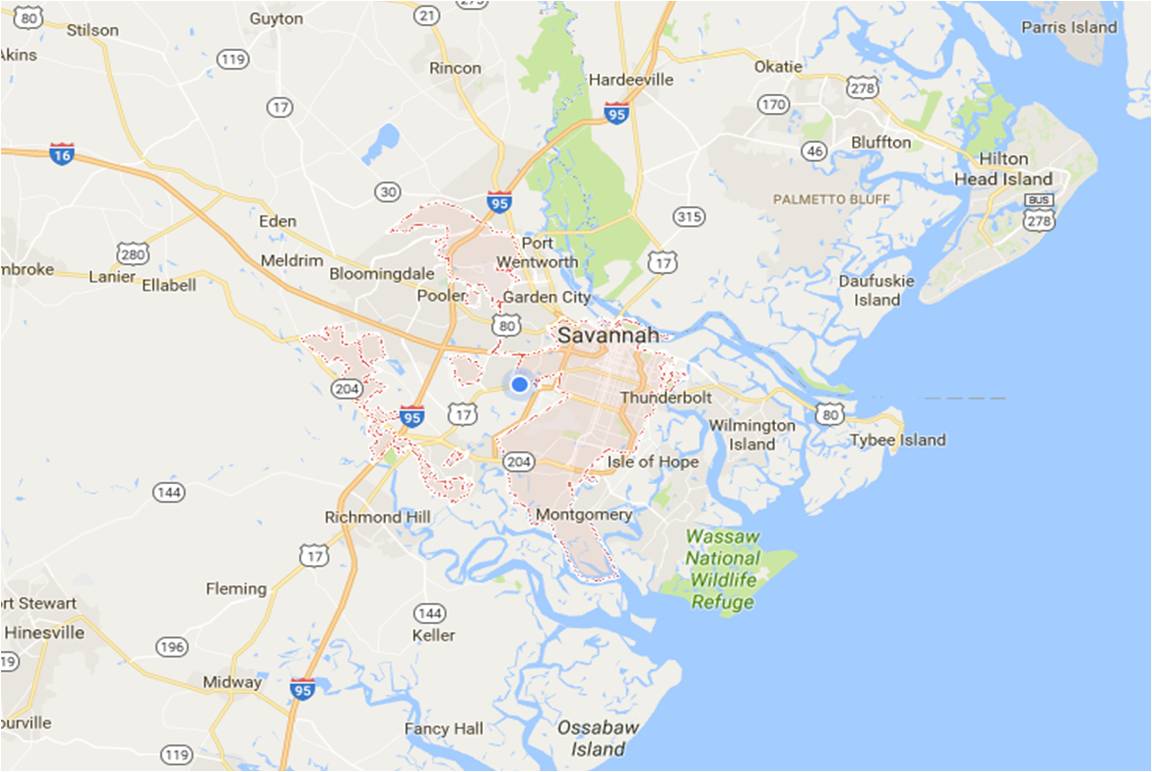
savannah-mapI once told someone that Thanksgiving was my favorite family holiday.  I still have fond memories of past Thanksgivings at my grandparent’s home in Flint and playing with my cousins.  Now our parents have passed on and our children are scattered across the country.  Still Thanksgiving is for families and we had a family (somewhat reduced) Thanksgiving in Savannah, GA.

We camped at the Biltmore RV Park in Savannah and it is a delightful, little park.  We were placed in what I thought was the best spot in the park.  We were in a back corner, well away from the busy road, with plenty of open area to each side.  Our daughter, Elisabeth, drove down from Raleigh to join us, so we DID have a family Thanksgiving.  It was a lot of fun, we baked the turkey and fixed all of the trimmings.  Pat did most of the cooking and I enjoyed watching the mother and daughter bonding.  It was a wonderful dinner and made for some great memories.

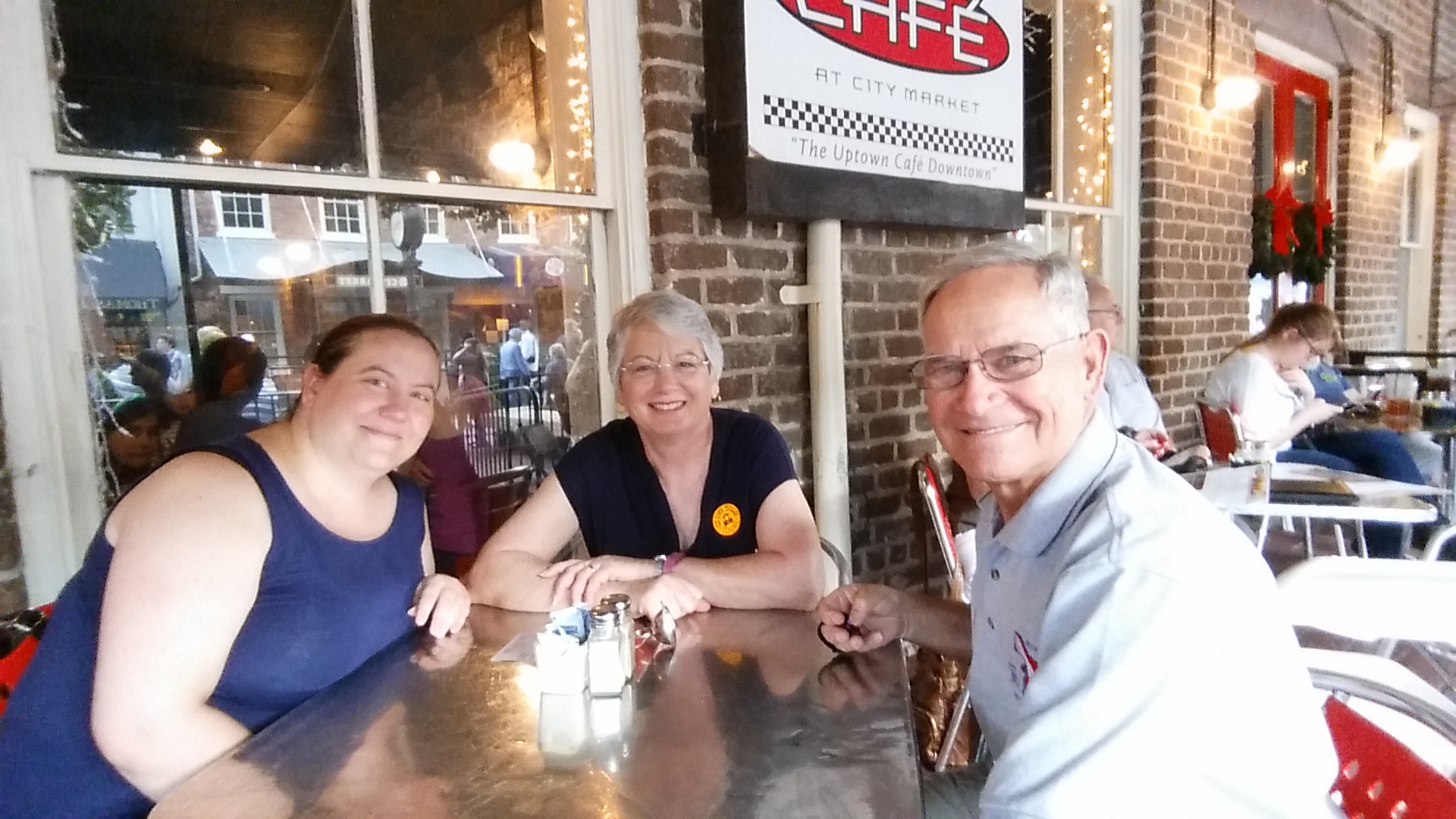
Friday, we blew off Black Friday shopping and toured Historic Savannah on Old Town Trolley Tours.  They provide a terrific jump on, jump off tour experience, and even provided a free shuttle right from the RV park.  Pat and I had toured Savannah a few years ago, but we enjoyed it just as much this second time around.  Savannah was Georgia’s first city.  I continue to be impressed with Savannah’s preservation of historic buildings.  It all began with a group of seven ladies who didn’t want to see a historic building get torn down to make room for a parking structure.  It goes to show a few determined people can make a difference.  This preservation work has continued and makes Savannah a unique city to tour.  We stopped for lunch in a cafe in the City Market and enjoyed a nice meal while listening to a small band that serenaded the crowd.  After lunch we walked along the waterfront before heading back to pick up the shuttle to the RV park.20161125_125857

Saturday we drove to Hutchison Island to watch the annual Boat Parade of Lights, sponsored by the Savannah Harbor Foundation.  We watched it from the Westin Savannah Harbor Golf Resort.  Inside the Westin were Gingerbread houses made by local youth.  We were all impressed by the imagination used by these kids in creating these edible models.

20161126_165344

Highland pipes and drums entertained the crowd until “General James Oglethorpe,” founder of Savannah and the Colony of Georgia, read a proclamation calling for the Boat Parade and the lighting of the Christmas Tree.  While these events were going on we watched many of the boats prepare for the parade.  Some of the boats just hung lights wherever it was convenient, others had invested a substantial effort into making something unique and representative of the Christmas holidays.  About 7:00 they assembled in the Savannah River and were led up and downstream by paddle-wheel tour boats.20161126_195355

We weren’t able to tour the Cathedral of St. John the Baptist on Friday because of Mass, so we went back on Monday morning.  This is the only church in Savannah that allows tourists to go inside and what a sight it was!  Originally established by French and Haitian immigrants in the late 1700s, the cornerstone for the current church was laid in 1873.  In 1898 much of the church was destroyed in a fire.  The rebuilding began immediately and the first mass was held in the rebuilt cathedral on December 24, 1899.  The last major renovation was completed in 2000.  While the cathedral is fascinating, what impressed me most were the statues on the north and south walls.  Each scene depicts Christ’s journey from his indictment by Pontius Pilate to his crucifixion and, internment in the tomb.dscn1456

dscn1453The last place we visited was the Colonial Park Cemetery.  After General Sherman captured Savannah, troops were encamped in the cemetery and entertained themselves by changing the engraved dates on some of the tombstones so they showed that people died before they were born.  Many of the tombstones were moved and after the war the city tried to put them back, but many were unclaimed and are mounted on the back wall of the cemetery.dscn1461

With a long drive ahead of us, we got an early start on Tuesday, November 29th.  Next stop – Raccoon Creek RV Park at MacDill Air Force Base near Tampa, FL.

Posted in Celebrating Holidays, Fulltime RV, Georgia, Michigan Traveler | Tagged , , , , , , | 4 Comments